



Every life has a beginning and an end, and aging is a phenomenon shared by all living beings. Aging is written into our cells, programmed to multiply many times but never indefinitely. Some cells cease their replication early in life, like nerve cells, which stop multiplying before birth. However, our bodies have enough of these cells to function normally even in our advanced years, and some cells continue to regenerate well into old age.
According to Dr. Deepak Chopra, author of the book “Ageless Body Timeless Mind,” a person’s age is a blend of three different factors: chronological (the number of years on your documents), biological (your body’s age based on experiences and physical condition), and psychological (your mental state and how old you feel). While we can’t control the first factor, we can significantly influence the other two.
Biological age represents the true state of our bodies. In 2005, the American Institute of Biological Sciences offered some intriguing insights. An active person in their eighties can have muscle strength comparable to a much younger, sedentary individual. British scientists have also confirmed this fact, emphasizing the importance of a protein-rich diet.
- Exercise is a key factor in reversing the aging process.
- Reducing stress, getting more sleep, and leading a balanced life in terms of diet and mental challenges are also vital.
- Preventing and early treatment of health issues help in the fight against aging.
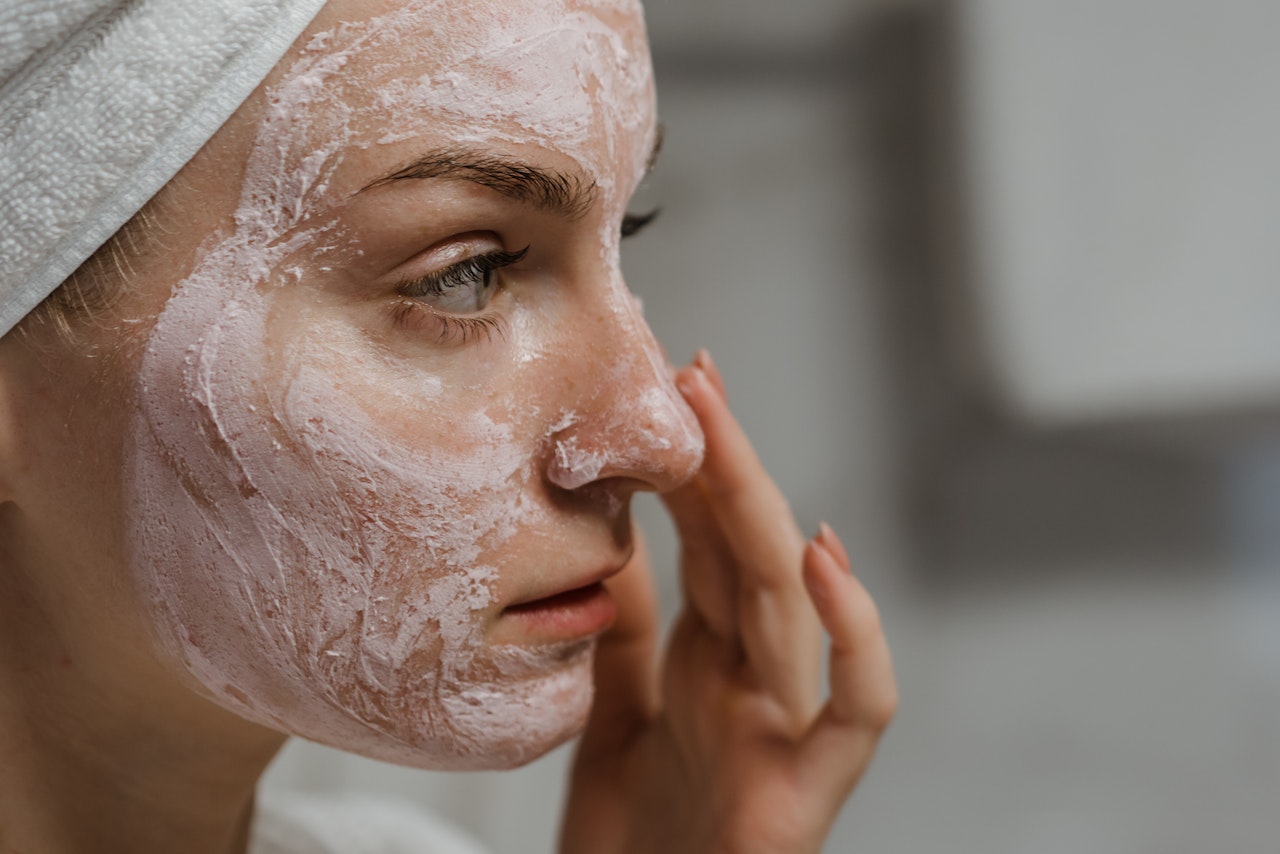
- Proper skin care is essential too.
Psychological age depends mostly on life experiences and one’s attitude toward them. Negative self-perception and being overwhelmed by daily worries can accelerate the aging process.
Slowing down the aging process essentially means living a healthy life with plenty of physical activity, a balanced diet, and avoiding excess.
The most crucial factors for a youthful body and appearance include:
- Strong bones
- Developed muscles
- Flexible joints
- Active brain cells
- Elastic blood vessels
- Healthy skin
Strong bones:
After the age of 30, bone strength diminishes, increasing the risk of osteoporosis as we get older. To keep your bones healthy, follow these guidelines:
- Consume enough calcium through a diet rich in dairy products, fresh vegetables, fruits, and grains.
- Stay active and engage in sports.
- Avoid becoming too thin, as a low body mass index can negatively affect bone health.
Developed muscles:
The human body has approximately 600 muscles that can be voluntarily moved. However, unused muscles atrophy and become non-functional. The good news is that muscle tissue can be rejuvenated, meaning that if you decide to exercise, you can gradually regain their strength.
If you’re around 30 years old today, keep in mind that by the age of 70, you’ll have slightly more than half of your muscles unless you start training them in time.
You don’t need to spend most of your day at the gym. Even moderate exercise can stimulate your muscles. Ideally, aim for 30-45 minutes of intense exercise four times a week and two hours of daily movement through various activities.
Flexible joints:
Healthy joints are one of the most critical factors in maintaining youthful vitality, so it’s wise to start thinking about them early on.
- Strengthen your muscles as they stabilize and protect your joints from injuries and accidents.
- Keep your weight in check.
- Treat injuries promptly, even seemingly minor ones, under specialist supervision.
- Perform stretching and flexibility exercises daily.
Active brain cells:
You should engage in daily exercises to develop your intelligence and preserve your brain’s strength.
Often, when we feel tired and have difficulty concentrating, we reach for short-term solutions like coffee. However, this doesn’t solve the problem; it merely postpones it.
Just like in sports, it takes a lot of effort and practice to strengthen the brain and build or enhance mental strength. Improving your mental health not only provides you with additional energy and reduces fatigue but also helps you stay healthier, focus better, and reduce stress levels.
Elastic blood vessels
Arteriosclerosis is a condition characterized by the narrowing of blood vessels. It occurs when cholesterol accumulates along the walls of arteries, leading to the obstruction of blood vessels. Arteriosclerosis typically develops in individuals with an unhealthy diet and can increase the risk of heart problems. While high cholesterol levels are often associated with an unhealthy diet, they can also be influenced by factors such as age and stress. Sedentary lifestyles are a common precursor to arteriosclerosis, making lifestyle changes and medication essential for its treatment.
Individuals with arteriosclerosis may experience chronic pain in their legs or arms. Legs can become visibly dark and cold to the touch. The pain can be so severe that it hinders even simple movements like walking. Hair loss on the affected limbs is also possible. Reduced blood flow can result in stiffness in the legs and feet, especially after prolonged periods of sitting.
How to reduce risks and aid in the treatment of arteriosclerosis
- Reduce fat intake in your diet.
- Exercise is crucial for overall health, especially cardiovascular health. Regular physical activity helps regulate blood flow and boosts immunity.
There are some home remedies believed to help control this condition:
- Honey and lemon are a well-known combination for preventing blood vessel blockages. This mixture strengthens artery walls. Consume a spoonful of honey and lemon juice every evening.
- Pineapple is an excellent food for individuals with arteriosclerosis. It prevents blood clots and inflammation in case of artery damage.
- Ginger helps prevent platelet accumulation, lowers blood pressure, and protects arteries from hardening.
- Ginkgo biloba reduces artery inflammation and clot formation, contributing to artery elasticity.
- Green tea helps regulate blood pressure and protects the body from free radical damage. Consuming green tea helps prevent cardiovascular diseases.
High cholesterol in your forties increases the risk of developing Alzheimer’s disease later in life. The development of Alzheimer’s disease is also linked to other cardiovascular conditions such as high blood pressure. High blood pressure can damage blood vessels in the brain and weaken areas of the brain essential for decision-making, memory, and verbal skills. Therefore, it is essential to regularly monitor your cholesterol levels as you enter your forties.
How to prevent and stop facial aging?
Preventing and halting facial aging is essential to maintain a youthful appearance. The face is a reflection of your personality and beauty, and without proper care, the delicate facial skin will start showing signs of aging.
Regular cleansing and hydration:
The first step in anti-aging skincare is regular cleansing and moisturizing. Cleansing removes accumulated dirt, makeup, and excess oil from pores, allowing the skin to breathe. Cleansing your face every evening before bed is crucial for maintaining healthy skin. Loss of moisture is a major contributor to dry, wrinkled, and aged skin. Regular use of moisturizers helps keep the skin soft and youthful.
Sun protection:
Using sunscreen is a fantastic way to slow down the aging process. UV rays can damage the skin, leading to the development of dark spots and increased dryness. Therefore, whenever you step outside, apply a good sunscreen not only on your face but also on your neck, chest, and other sun-exposed areas of your body.
Quality sleep:
Quality sleep revitalizes and energizes your body for the day ahead. Since the skin is the body’s largest organ, insufficient sleep can accelerate the aging process. Sleep is essential for skin cell regeneration and repair, helping your skin stay youthful.
Melatonin:
Melatonin, a hormone that regulates sleep patterns and mental tranquility, plays a role in maintaining a youthful appearance. Melatonin production decreases with age, leading to sleep disturbances. Supplementing melatonin can promote mental peace and better sleep quality. Applying melatonin directly to the skin can refresh skin cells.
Hydration from within:
Drinking 6 to 8 glasses of water daily helps hydrate your body from the inside out. Proper hydration, combined with external skincare, results in more radiant and youthful-looking skin.
Garlic:
Garlic boasts incredible health benefits and powerful anti-aging properties. It has anti-inflammatory, antibacterial, and antiviral properties, protecting against cell damage and infections. Eating garlic daily can help maintain overall health and youthful looks.
Olive oil:
Olive oil is often overlooked for its anti-aging benefits. It contains natural anti-inflammatory compounds that combat age-related inflammation in the body, even at the cellular level. Incorporating olive oil into your diet or recipes can be highly beneficial.
Red wine:
Consumed in moderation (one glass a day), red wine provides antioxidants and flavonoids that protect the skin and neutralize the harmful effects of UV rays, promoting anti-aging benefits.
Sesame seeds:
Rich in calcium and other essential minerals, sesame seeds can be added to salads, bread, or pasta for their anti-aging benefits.
Mushrooms:
Mushrooms are a good source of vitamin D, which aids in calcium absorption, reducing the risk of osteoporosis and maintaining healthy bones and posture.
Dark chocolate:
Dark chocolate contains flavonoids that protect the skin and counteract the damage caused by UV rays.
Berries:
Berries, such as blueberries, strawberries, and pomegranates, are rich in antioxidants, repairing damage caused by free radicals.
Honey:
Manuka honey is known for its anti-aging properties. However, all natural honey varieties offer skin benefits.
Turmeric:
Turmeric helps rejuvenate damaged cells and supports vibrant skin and overall health.
Citrus fruits:
Citrus fruits like lemons, oranges, pomegranates, and grapefruits are rich in vitamin C, vital for maintaining genetic health and a youthful appearance.
Fish and seafood:
Omega-3 fatty acids in fish and seafood combat inflammation and maintain overall health.
Broccoli:
Broccoli contains compounds that are effective in fighting against cancer cells.
Sea salt:
Sea salt is an excellent exfoliant that removes dead skin cells, improves blood circulation, and promotes skin renewal. It contains 21 minerals that help delay the aging process.
In conclusion, a comprehensive approach to anti-aging includes a balanced diet, regular exercise, hydration, and skincare. By incorporating these practices into your routine, you can help prevent and combat the effects of aging, promoting a youthful and healthy appearance.