



Protecting against cancer, preserving heart health, reducing cholesterol and blood pressure
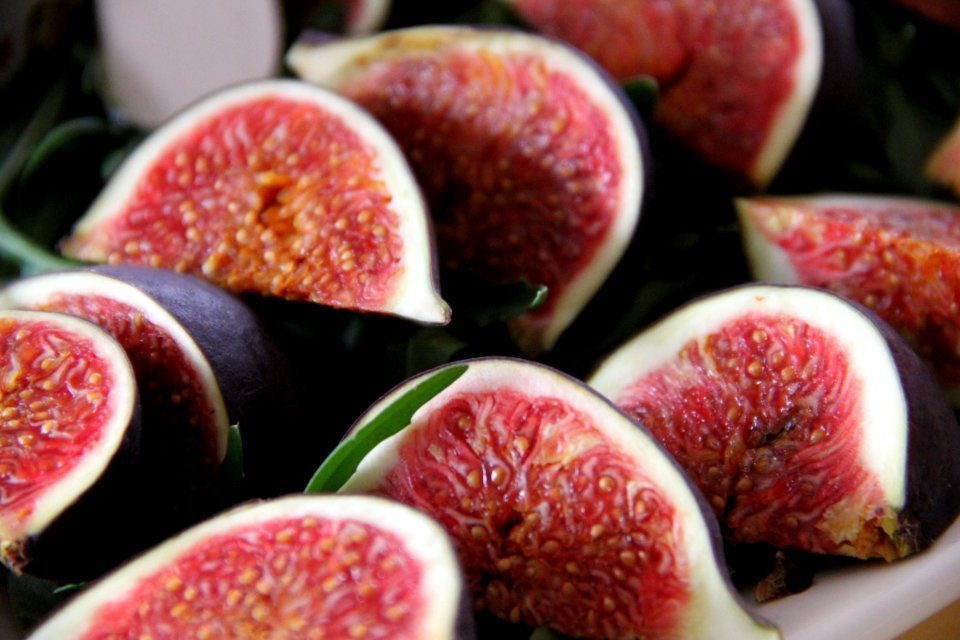
Figs captivate us with their unique taste and have been popular for centuries all over the world. Loved by Cleopatra, Greeks, and Romans, they are one of the earliest cultivated plants, alongside olives. They naturally grow in the Middle East and the Mediterranean, where the climate is warm, and sunny and dry days prevail for most of the year. We consider them a true summer delicacy as they ripen during this season, making them perfect for enjoying fresh. They are excellent for instantly satisfying sweet cravings while providing numerous health benefits that positively impact various systems in the body, even enhancing sexual performance.
Figs are sweet, filling, and highly nutritious. Before refined sugar became popular, figs were commonly used to sweeten desserts. Today, as we become more aware of the negative impact of refined sugar on health, many are turning to figs as a healthier sugar alternative. However, they offer far more than just a sweet replacement. They are a good source of vitamins A, B1, and B2, as well as minerals like manganese, potassium, iron, calcium, and phosphorus, especially polyphenols. Perhaps most impressively, dried figs contain more calcium than yogurt. Figs are also an exceptional source of dietary fiber, and we know how important fiber is for our health. Here are some of the health benefits you can reap from consuming figs.
Lower blood pressure
One of the causes of high blood pressure is an imbalance of potassium caused by consuming too much sodium and not enough potassium. Figs are rich in potassium (about 270 mg per 100 grams of fresh fruit) and can help restore the balance between sodium and potassium. Additionally, the significant amount of fiber in figs can help eliminate excess sodium from the body. Therefore, it is advised to replace salty snacks high in sodium with a few figs.

Healthy digestion
A 100g serving of fresh figs, which is roughly two to three figs, contains a whopping 2.9g of fiber, while the same amount of dried figs provides as much as 9.8g of fiber. This makes them a ally for good digestion and gut health as they soften the stool and increase its volume, speeding up the passage through the intestines. Additionally, dietary fibers have a positive impact on the growth of beneficial bacteria in the intestines, making them excellent prebiotics. Therefore, consider adding chopped figs more often to your breakfast oatmeal.
Increased bone density
In addition to potassium, figs are a good source of calcium, and both minerals together improve bone density, which can help prevent osteoporosis. Along with potassium and calcium, they also contain phosphorus, which is known to promote bone formation. Phosphorus can also stimulate bone regeneration after injury or other types of damage.
Lower cholesterol
When you eat high-fiber foods like figs, they pass through the digestive system, clearing excess cholesterol deposits, which is desirable as cholesterol deposition is a significant risk factor for heart disease and stroke.
Healthier heart
Some studies have shown that figs contain a small amount of omega-3 fatty acids, which are known to reduce the risk of developing heart disease. Fig leaves also have a significant beneficial effect on triglyceride levels, high levels of which can damage the liver and cardiovascular system. Fig leaves can be eaten raw, but they are most commonly dried and used to prepare tea. Fig leaf tea is believed to instantly reduce triglyceride levels in the blood, increase insulin sensitivity, lower elevated blood pressure, and prevent heart problems. Soaking fig leaves in hot water makes an ideal drink for treating respiratory problems such as bronchitis, asthma, and sore throat.
Cancer prevention
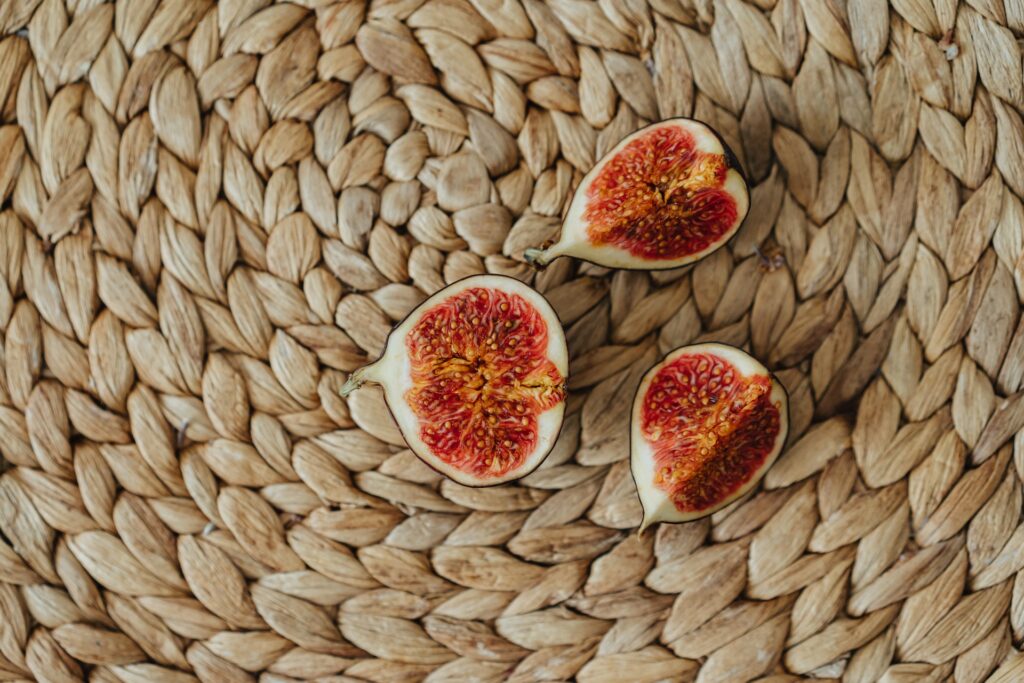
There is a known connection between increased fiber consumption and reduced risk of cancer, especially colorectal cancer. Experts also believe that figs can help protect postmenopausal women from breast cancer. Figs contain antioxidants that also help preserve cell health and prevent the development of cancer. They have been found to contain carotenoids (like lutein, zeaxanthin, alpha, and beta-carotene), phenols (like gallic and chlorogenic acid found in coffee), flavonoids (rutin and quercetin), and anthocyanins. The highest concentration of antioxidants is found in their skin. A Slovenian study showed that the second harvest is richer in antioxidants, meaning figs in September are richer in these beneficial compounds than those ripening in July.
Improved vision
Figs are among the healthy fruits and vegetables considered beneficial for your vision and overall eye health. As we age, our eyes weaken, but the vitamins and minerals from fruits like figs can help protect them and maintain vision in old age.
Better sex
Many people claim that consuming this fruit can help with various types of sexual dysfunction, including erectile dysfunction. The fact is that figs are so rich in nutrients that they can provide an energy boost that many people need before making love.
There’s a catch
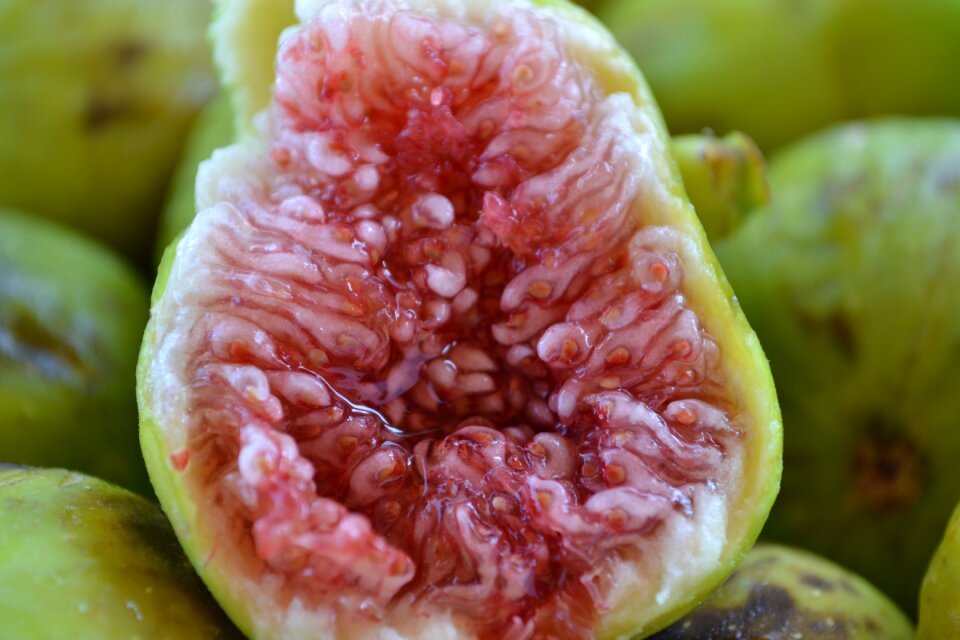
Fiber in our diet is necessary if we want to shed unwanted pounds or maintain weight control. It can help us feel fuller for longer, reducing the likelihood of reaching for more food throughout the day. When consumed in moderation, figs can help with weight loss. It’s best to eat them after exercising to replenish glycogen stores and allow muscles to recover from training. However, caution is needed because figs are quite rich in sugar and calories, so it’s better to eat them in moderation, especially if you are concerned about weight gain or following a calorie-controlled diet. In such cases, consumption can have the opposite effect. For example, 100 grams of fresh figs contain about 74 calories, while the same portion of dried figs contains as many as 249 calories. One raw fig contains 7.7 grams of carbohydrates, of which 6.5 grams are sugars. Therefore, even people with diabetes need to be mindful of the quantity they consume. However, the situation is different when consuming fig leaves. Research has shown that drinking fig leaf tea in the morning for a month can reduce the need for insulin by up to 12 percent. Following the Greek cuisine, fig leaves can also be used to make meat and rice stuffed cabbage rolls.
Who should avoid them
Individuals with inflammatory bowel diseases in an active phase, those preparing for a colonoscopy, or those recovering from intestinal surgery are advised to limit or completely avoid figs. They can cause a feeling of heaviness in the stomach, and if eaten in large quantities, they may lead to abdominal pain and bloating. In such cases, drinking water with anise can be helpful. The seeds in figs are not recommended for individuals with diverticulitis in the colon, but after recovering from inflammation or intestinal surgery, it is advised to gradually include fiber in their diet, and then figs are welcome again. Additionally, the oxalates present in figs can be harmful to those who already suffer from kidney or gallbladder diseases, and consuming too many figs may worsen their condition. Larger amounts of oxalates can interfere with calcium absorption in the body, which, if persistent, weakens bones and leads to other calcium deficiency-related diseases. Also, a small but significant danger lies in the fact that a certain percentage of people may be allergic to figs. Another lesser-known downside to figs is that they can increase sensitivity to sunlight. This, in turn, can lead to rashes, skin damage, premature skin aging, and the development of melanoma. It is always advisable to avoid prolonged sun exposure and keep this in mind if you regularly eat figs to avoid skin-related problems.
How to eat figs
When buying or picking ripe figs, consume them quickly. They can stay in the refrigerator for a short time, but only if they are arranged side by side, not piled up in a container. Unripe figs will naturally ripen at room temperature within a day or two. Besides eating them fresh, figs are also consumed in various combinations – with cheese, prosciutto, arugula, nuts, poached in wine or sugar syrup, in pies and pastries, with nutmeg and cinnamon. They are used to make jam. Dried figs are available throughout the year, although they have a reduced water content and lower antioxidant levels. Nevertheless, they are a practical and nutritionally valuable meal for recreational and professional athletes, and in combination with nuts, they can serve as an ideal snack. Dried figs are also used in cakes – “smokvenjak” is one of the most famous sweets prepared from dried figs. According to an old Mediterranean recipe, “smokvenjak” includes dried figs and almonds, and it can be enriched with raisins, walnuts, and Mediterranean spices like fennel.
Danger of toxins
You can dry figs yourself, but in that case, you expose yourself to an increased risk of consuming toxins. Mycotoxins are toxins produced by molds naturally present on figs, and some, like aflatoxins, can be dangerous as they have been found to have carcinogenic effects. Good manufacturing practices, as well as treating figs before or after drying with chemical methods such as sulfur dioxide treatment, reduce or eliminate the accumulation of mycotoxins on dried figs.