




Regular eye exams are often underestimated, but the truth is that such exams can play a crucial role in maintaining the health of our vision. Our eyes are not only a window to the world but also a window to our overall well-being. Therefore, maintaining regular eye exams is not only important for visual acuity but also for preventing eye diseases and detecting serious health conditions.
What is an eye exam?
An eye exam is a procedure performed by an ophthalmologist to assess the condition of a patient’s eyes and vision. This fundamental examination involves a series of tests and procedures that help identify vision problems and potential eye diseases.
What does an eye exam consist of?
An eye exam consists of several key elements. Firstly, the ophthalmologist will conduct a detailed conversation with the patient to gather information about their symptoms, medical history, and family predispositions. Following that, visual acuity testing, known as visual acuity, will be conducted, which may involve reading letters from an eye chart or using other specialized devices.
Additionally, the ophthalmologist will examine the back of the eye using an ophthalmoscope. This procedure allows for the examination of structures within the eye, including the retina, nerves, and blood vessels. A tonometry test will also be performed to measure intraocular pressure and detect possible signs of glaucoma.
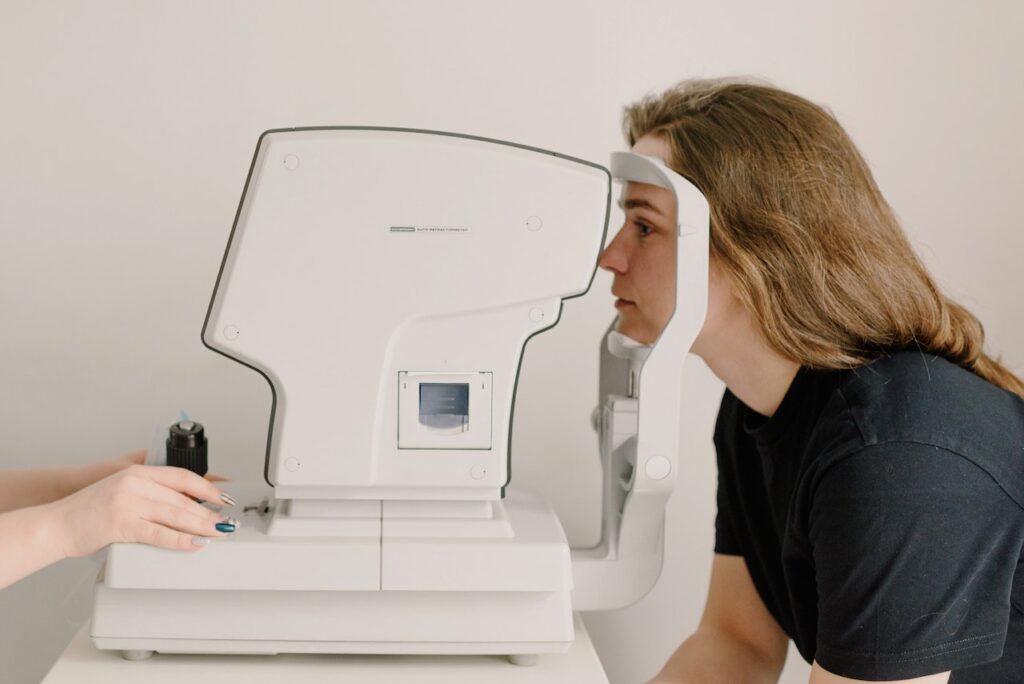
In conclusion, regular eye exams are crucial for preserving vision health and preventing eye diseases. They provide a comprehensive assessment of the condition of the eyes and help identify potential health issues. Make sure to prioritize regular eye exams and consult with an ophthalmologist for the recommended examination schedule.
The importance of eye exams for health cannot be overstated. Regular eye exams play a crucial role in preserving eye and vision health. They enable early detection of vision problems and eye diseases, allowing for timely treatment and reducing the risk of further deterioration. Additionally, an ophthalmologist can identify signs of other health issues that may manifest in the eyes, such as diabetes, high blood pressure, or cardiovascular diseases.
What eye diseases can be prevented through eye exams?
Eye exams can aid in the early detection and prevention of various eye diseases. For example, they can reveal signs of glaucoma, a serious condition that can lead to vision loss if left untreated. An ophthalmologist can also recognize symptoms of macular degeneration, cataracts, conjunctivitis, and other eye diseases.
What is an eye exam for laser vision correction?
Regular eye exams are essential for preserving vision health and preventing eye diseases. These exams facilitate the early detection of vision problems and potential health conditions, increasing the likelihood of successful treatment. Additionally, an eye exam is an important step in the process of laser vision correction, which can significantly improve the quality of life for individuals with refractive errors.
An eye exam for laser vision correction is a specialized examination conducted for individuals considering this procedure. It is designed to determine the patient’s suitability for laser vision correction and evaluate all relevant aspects of the eye.