




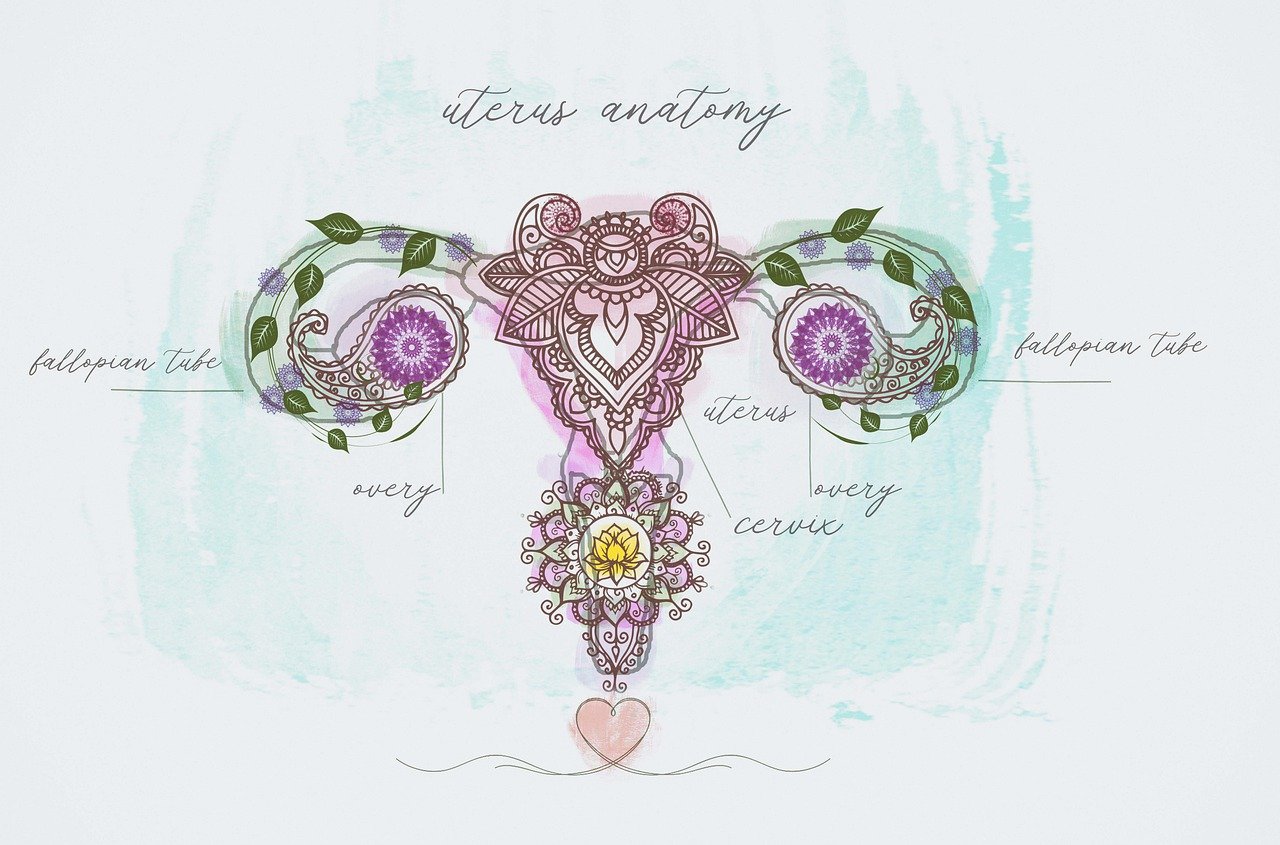
You’ve probably heard the term “biological clock” used in the context of a woman’s fertility many times. In fact, it refers to the phase of life from maturity to menopause when the menstrual cycle disappears. However, the timeline towards menopause is not as linear as many think. Before menopause, a woman goes through a transitional period known as perimenopause.
During perimenopause, there’s a reduction in the production of estrogen and progesterone hormones, leading to a shorter menstrual cycle that eventually ceases. This transitional phase can last anywhere from two to five years. Once a woman has gone without a period for twelve consecutive months, she is considered to have entered menopause.
The onset of perimenopause can vary from woman to woman, but on average, it occurs around the age of forty-seven. However, perimenopause can start as early as a woman’s late thirties. Symptoms can also differ from woman to woman, making it challenging for both women and doctors to recognize perimenopause.
Nonetheless, there are specific signs that indicate a woman has “entered” perimenopause. If you are experiencing any of the following symptoms, consult a doctor to alleviate and ease the perimenopausal process.

Inconsistent menstrual cycle
Changes in the menstrual cycle are often the first sign, as fluctuating estrogen levels can lead to menstrual irregularities. Women entering perimenopause may experience variations in the duration of their periods and the time between two menstrual cycles, or even a complete absence of periods.
Heavy bleeding
This occurs due to changes in progesterone levels. Ovulation becomes increasingly irregular, causing the endometrium (the uterine lining that sheds during menstruation) to become thicker than in a regular cycle, resulting in heavier bleeding.

Hot flashes
Around 75% of women in perimenopause suffer from frustrating hot flashes, ranging from mild warmth to intense sweating. Experts haven’t pinpointed the exact cause of hot flashes, but it’s believed that the drop in estrogen levels plays a crucial role in their occurrence, as it disrupts the body’s ability to regulate temperature. Avoiding caffeine, spicy foods, and alcohol can help alleviate hot flashes.
Mood swings
The most common symptoms of perimenopause are severe mood swings, such as anger and irritability, which often occur suddenly. Women who have experienced postpartum depression may be at a higher risk of mood swings during perimenopause.

Vaginal dryness
Another unwelcome side effect of decreased estrogen levels is vaginal dryness. Reduced levels of this hormone can lead to a loss of vaginal tissue elasticity and natural moisture, which can result in pain during intercourse.
Incorporating these keywords and phrases in your content can help improve its SEO readability: “perimenopause symptoms,” “menstrual irregularities,” “hot flashes,” “mood swings during perimenopause,” “vaginal dryness,” “hormonal changes,” and “menopause transition.”