





Are you aware that you’re wearing a mask? Do you feel restricted in expressing yourself? Is your true nature hidden behind a facade? Are there moments when you connect with others but hold back your true emotions?
You might fear revealing your vulnerability or believe you’ve suppressed your true self. If so, you’re living half-heartedly! It’s better to embrace your emotions and share them with others.
Why do people wear masks?
The masks we wear could stem from social norms, expectations, or fear of rejection. Often, we adapt to situations to feel accepted, even if it means concealing our genuine feelings and identity. Yet, this can lead to inner tension and dissatisfaction.
Wearing masks has deeper reasons, often linked to complex emotional, psychological, and social factors. Here are some detailed reasons why people often wear masks:
Fear of rejection: Many fear not being accepted or loved if they reveal their true selves. Hence, they wear a mask to fit in and avoid rejection.
Social pressure: Society sets certain norms and expectations about behavior and appearance. People often wear masks to comply with these norms, even if it’s not their true nature.
Shielding from emotional pain: Wearing a mask can shield against potential emotional hurts. If someone feels vulnerable, a mask can act as a shield.
Concealing insecurities: Those feeling insecure might wear a mask to cover up these vulnerabilities. Masking insecurities can provide a false sense of confidence.
Adapting to situations: People often adjust to different situations and environments by wearing a suitable mask. At work, home, or social gatherings, the same person might wear different masks.
Cultural factors: Culture and tradition play a significant role in shaping behavior and identity. Some wear masks to adhere to the social norms of their culture.
Social conformity: Masks are worn to conform to the expectations of peers, friends, family, or colleagues. Social conformity can be a strong motivator.
Diverting attention from real issues: Sometimes, masks divert attention from personal or environmental problems.
Unconscious behavior: Mask-wearing can become an unconscious behavioral pattern, where people might not even realize they’re wearing one.
Trauma and emotional wounds: Those who’ve experienced traumatic events might wear masks as a shield against further emotional injuries.
All these factors contribute to creating and maintaining a mask, but understanding why we do this is the first step to freeing ourselves and accepting our true nature.
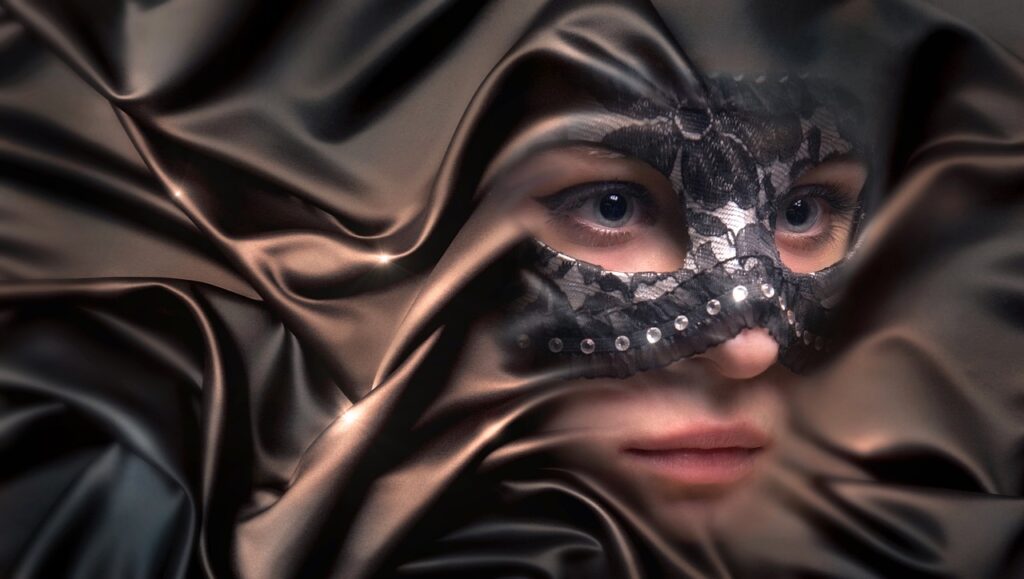
4 steps to liberate yourself and remove the mask
Recognize and be ready to remove the mask
The first step to shedding the mask is recognizing that you wear it. You might have worn it for a long time, perhaps longer than you realize. Maybe you’re unaware it’s your defense mechanism, or you haven’t thought about it.
Thankfully, there are alternative means of protection that might function better. You need to be willing to confront your inner conflicts and engage with them positively. This requires establishing a balance that resonates with your mind and heart.
It’s crucial to note that wearing a mask isn’t the same as hiding. Instead, it serves as protection, but you need to learn to occasionally remove it to feel liberated.
Have patience, courage, and feel supported
Patience is a valuable trait that helps maintain motivation and creates space for transformation. Resolving inner conflicts demands deep motivation that only you can sustain. Additionally, courage is essential to confront your own demons. Feel supported by the presence of loved ones, whether friends, family, or a therapist. This will help you stay resilient while unmasking.
Get to know and accept yourself
To accept yourself, you must first get to know yourself better. This involves understanding your desires, goals, fears, and everything that makes you unique. Sometimes, spending time alone with your thoughts without distractions is necessary. It’s about learning to feel your emotions and body. You might fear spending time alone due to the fear of facing your emotions, but it’s a necessary step toward self-acceptance. Once you know who you are and what you feel, removing the mask becomes easier as there’s no longer a need for hiding.
Love yourself and love others
As you progress in self-discovery and acceptance, self-love will naturally follow. Self-love means loving yourself for who you are, regardless of past mistakes or future aspects you want to change. This will enable you to love others genuinely, without expectations. Self-love is the key that opens doors to kindness toward others, without fear of dependency or the need to prevent others from leaving your life.
Every mask has a hole through which truth can emerge. Sometimes, we wear them unconsciously, but the truth will always come to light. It’s essential to understand that removing the mask isn’t a sign of weakness but of courage. When you shed the mask, you’ll discover your true strength and ability to form deep and honest connections with others.
Removing the mask and freeing yourself can be a deeply transformative experience. It requires self-work and setting healthy boundaries with your surroundings. However, the benefits that come with authenticity make the effort worthwhile. Remember, being yourself is the most beautiful gift you can give yourself.”


