




Dark-colored walls and furniture
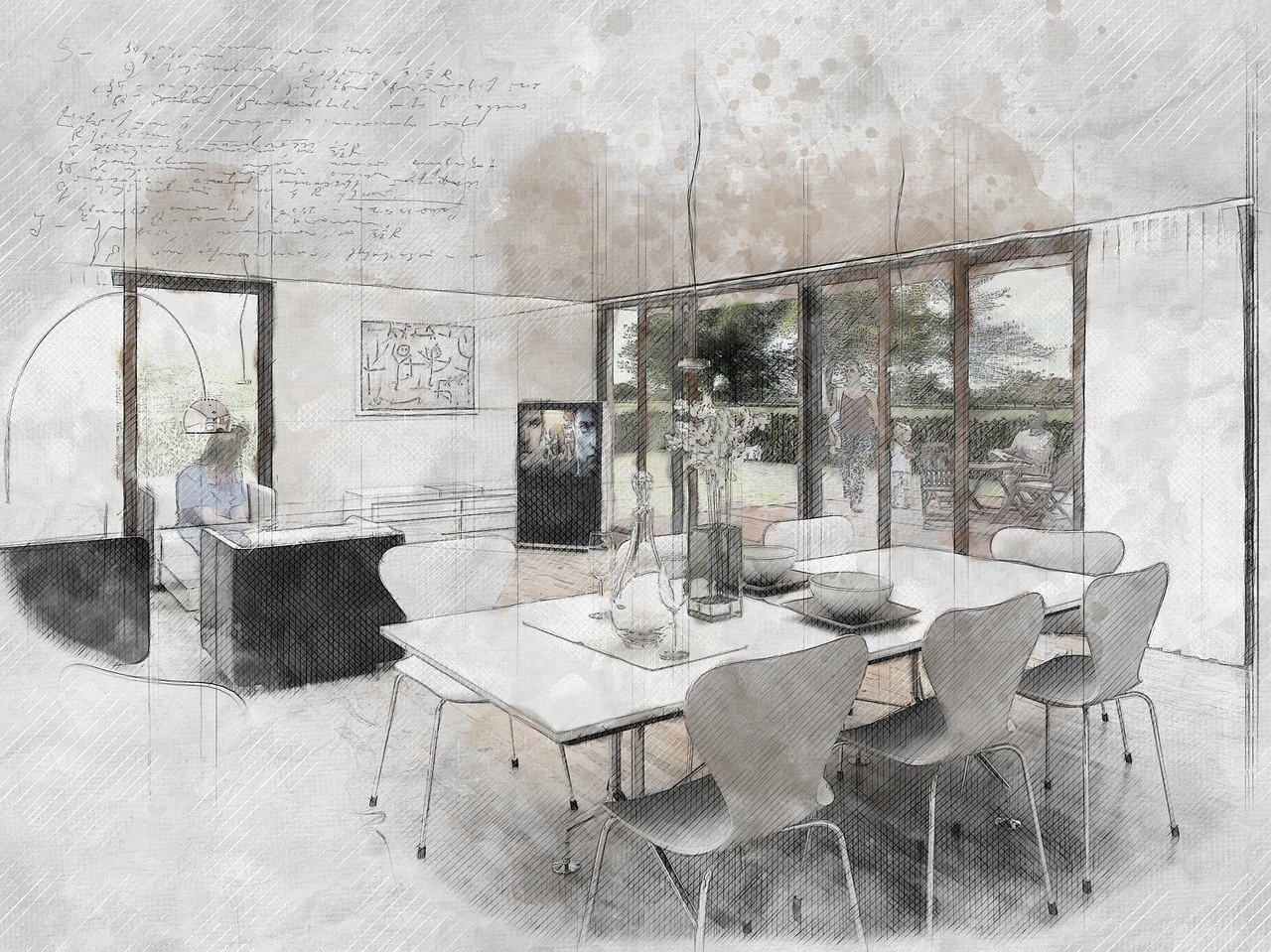
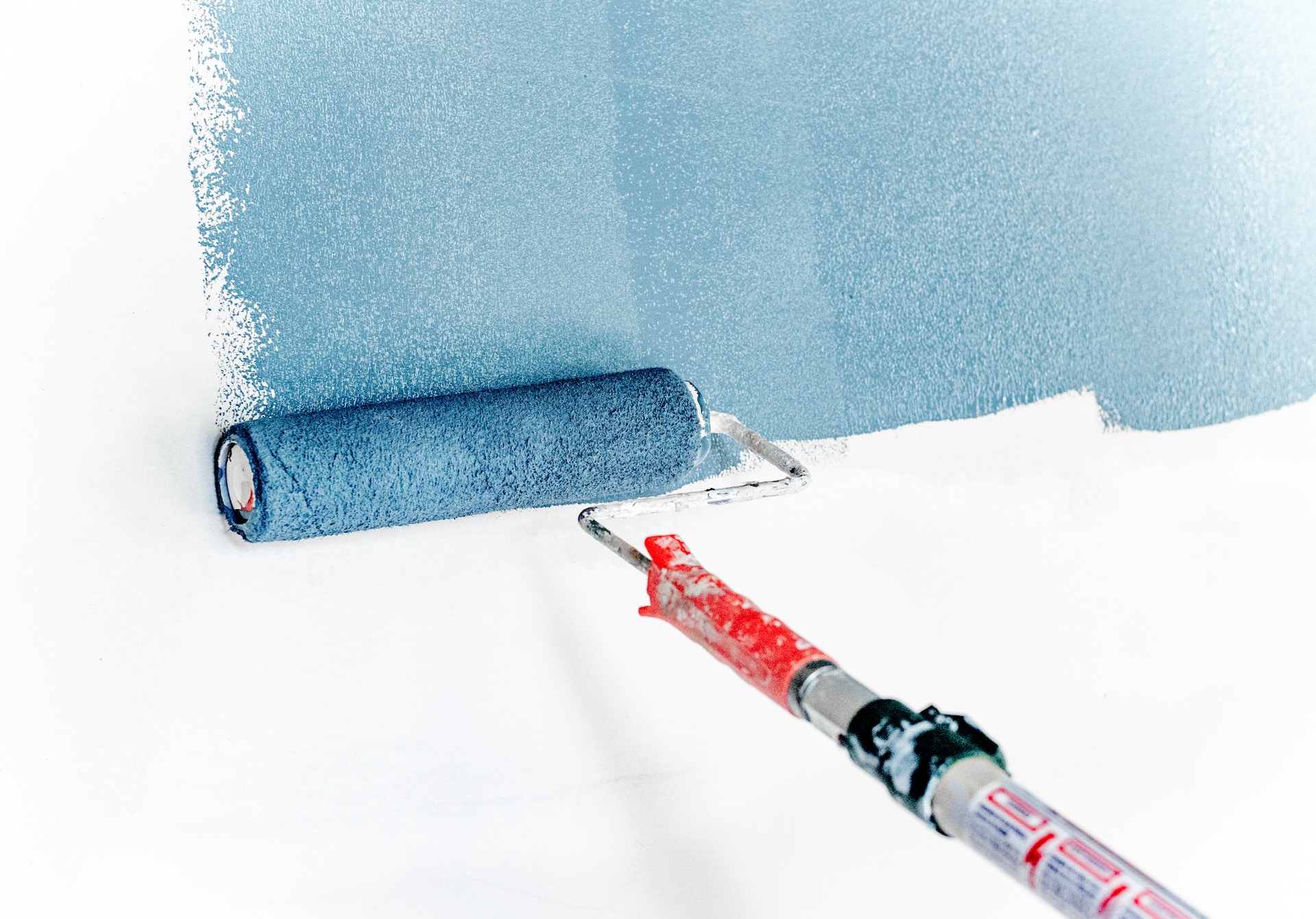
Opting for dark-colored walls and furniture can absorb and retain heat, contributing to a warmer interior. Lighter colors, on the other hand, reflect sunlight and help keep the space cooler. Consider using lighter shades for your walls and furniture to minimize heat absorption.
Inadequate insulation
Insufficient insulation in your home can allow heat to penetrate through the walls, roof, and windows. This leads to increased interior temperatures. Ensure that your home is properly insulated to prevent unnecessary heat gain. This can be achieved through proper insulation materials, sealing air leaks, and insulating windows and doors.
Lack of shading or window treatments
Excessive sunlight entering through windows can significantly raise the temperature inside your home. If you don’t have appropriate shading or window treatments, such as blinds, curtains, or shades, the sun’s rays will directly heat up the space. Install window coverings to block or filter sunlight, reducing heat transfer into the interior.
Overusing or inefficient lighting
Traditional incandescent light bulbs emit a significant amount of heat, contributing to the overall temperature of a room. Additionally, leaving lights on unnecessarily can add to the heat buildup. Opt for energy-efficient lighting options such as LED bulbs, which produce less heat. Remember to turn off lights when not in use to minimize heat generation.
Insufficient ventilation and airflow
Poor ventilation restricts the circulation of air, preventing heat from dissipating effectively. Ensure that your home has proper ventilation, such as ceiling fans, air vents, or open windows, to promote airflow and assist in cooling the interior.
By avoiding these mistakes and implementing strategies to reduce heat absorption and improve airflow, you can create a more comfortable and cooler environment within your home.