



Among all skincare ingredients, mandelic acid is perhaps one of the least known, often referred to as almond acid. It might not be the most popular choice and can be easily overlooked, but it is highly effective, gentle, and simultaneously intense. After being a common ingredient added to facials in cosmetic salons for years, mandelic acid is now incorporated into the latest and best serums and gentle liquid peels available for home use. In this article, we’ll explore what mandelic acid is, its benefits, and how to use it.
What is mandelic acid?
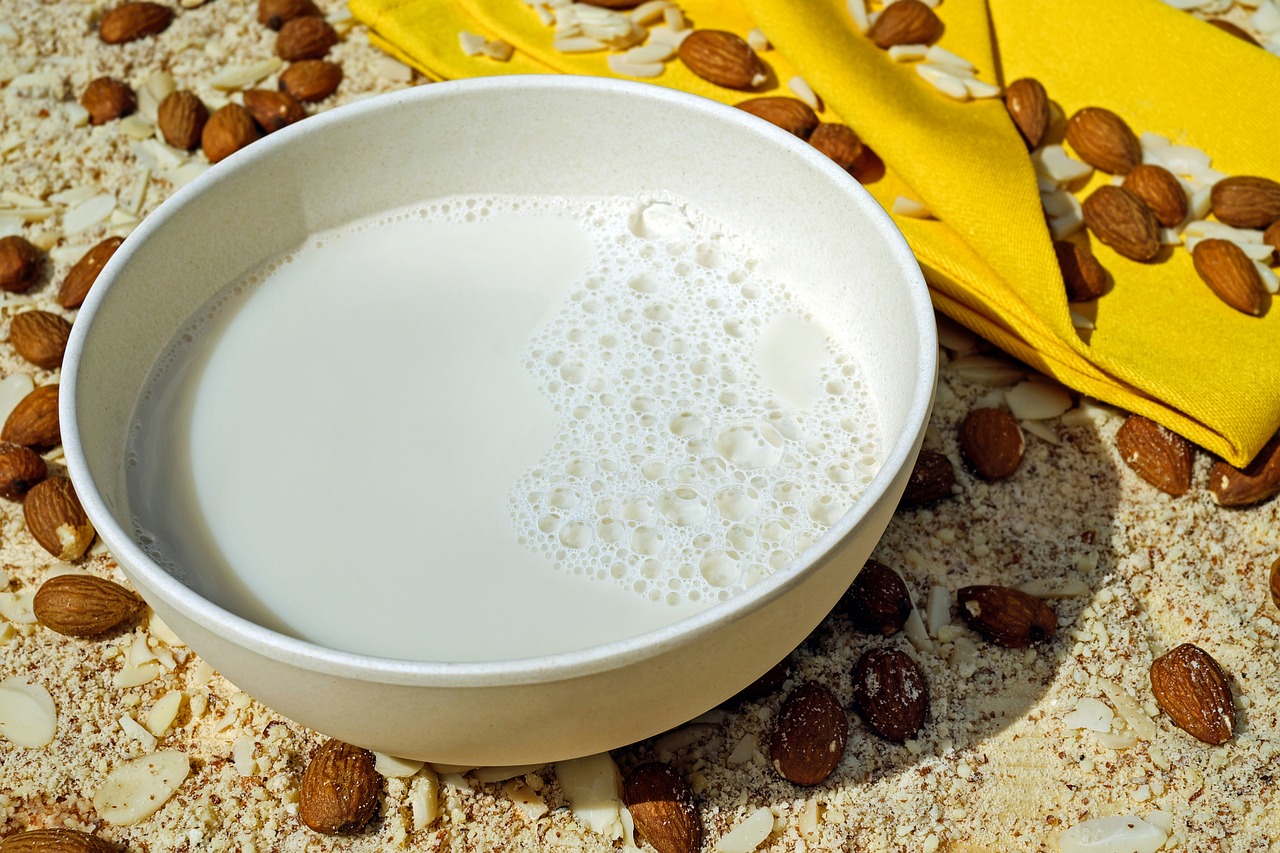
Mandelic acid is an alpha hydroxy acid (AHA) derived from bitter almonds, aptly named after the German word for almond, “mandel.” Similar to glycolic and lactic acids, mandelic acid has one of the largest particle sizes, allowing it to be absorbed more slowly and evenly into the skin, staying closer to the surface. This reduces the likelihood of irritation, even for those with sensitive skin and deeper skin tones.
Mandelic acid is also a great choice for individuals with darker skin because it is non-melanotoxic, meaning it does not harm melanocytes and will not worsen pigmentation issues. Instead, it can reduce the appearance of dark spots from acne and sun exposure. Mandelic acid peels are considered well-tolerated by individuals at risk of hyperpigmentation, photosensitivity, and scarring compared to other AHA acids, such as glycolic acid.
Mandelic acid penetrates the skin more deeply than other AHAs because it is oil-soluble, whereas glycolic and lactic acids are water-soluble, acting primarily on the upper layers of the skin.
Benefits of using mandelic acid
The potent antibacterial properties of mandelic acid combine with its gentle exfoliation to activate skin cells in the fight against acne, dull skin, uneven texture, hyperpigmentation, and fine lines and wrinkles. After one to three weeks of use, you will notice that mandelic acid leaves your skin smoother, brighter, plumper, and more youthful. With all these benefits, mandelic acid is suitable for virtually all skin types, including sensitive skin.
It is known to clear away acne-causing bacteria, pore-clogging oils, and dead, altered skin cells on the surface, leaving your complexion cleaner and more radiant than ever before.
Risks of using mandelic acid on the skin
The main drawback of mandelic acid is that it should not be applied to the face at the same time as retinol, as both ingredients disrupt the skin barrier. Therefore, when using retinol and mandelic acid simultaneously, you may experience redness, sensitivity, and excessive dryness. To avoid these issues, alternate the days when you apply them in your skincare routine. Additionally, if you are allergic to almonds, it’s best to avoid mandelic acid.
Apart from these limitations, mandelic acid can be considered one of the best acids for those just venturing into the world of AHAs, BHAs, and PHAs. It works for nearly everyone.
How to use mandelic acid in your skincare routine?
In general, people can use serums and facial cleansers with this acid daily. However, stronger products like peels should not be used more than once or twice a week.
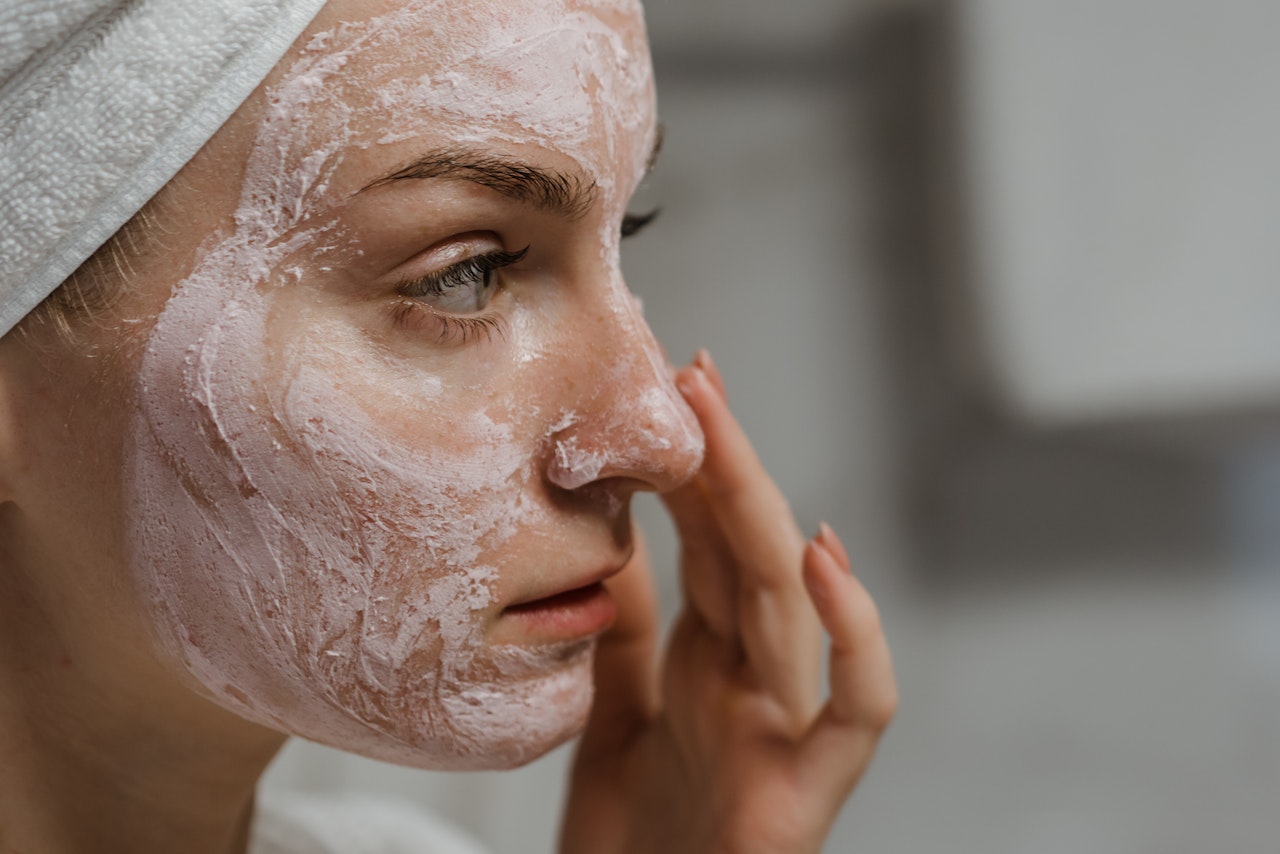
It’s advisable to incorporate mandelic acid into your evening skincare routine as AHAs can increase skin sensitivity to light. Apply it after cleansing and before moisturizing. Similarly, masks and peels are best applied to freshly washed skin. Masks or peels should be left on for a few minutes before rinsing them off.
Avoid using it with other chemical exfoliants and peels, such as retinol, other AHAs, and beta hydroxy acids (BHA). Excessive use of chemical exfoliants can lead to skin sensitivity and breakouts.
Mandelic acid is a versatile skincare ingredient with a range of benefits, especially for those seeking to improve skin texture, reduce hyperpigmentation, and combat acne. When used correctly and in conjunction with a well-planned skincare routine, it can help you achieve smoother, more radiant skin. Always remember to patch test and start with lower concentrations when incorporating new products into your skincare regimen.