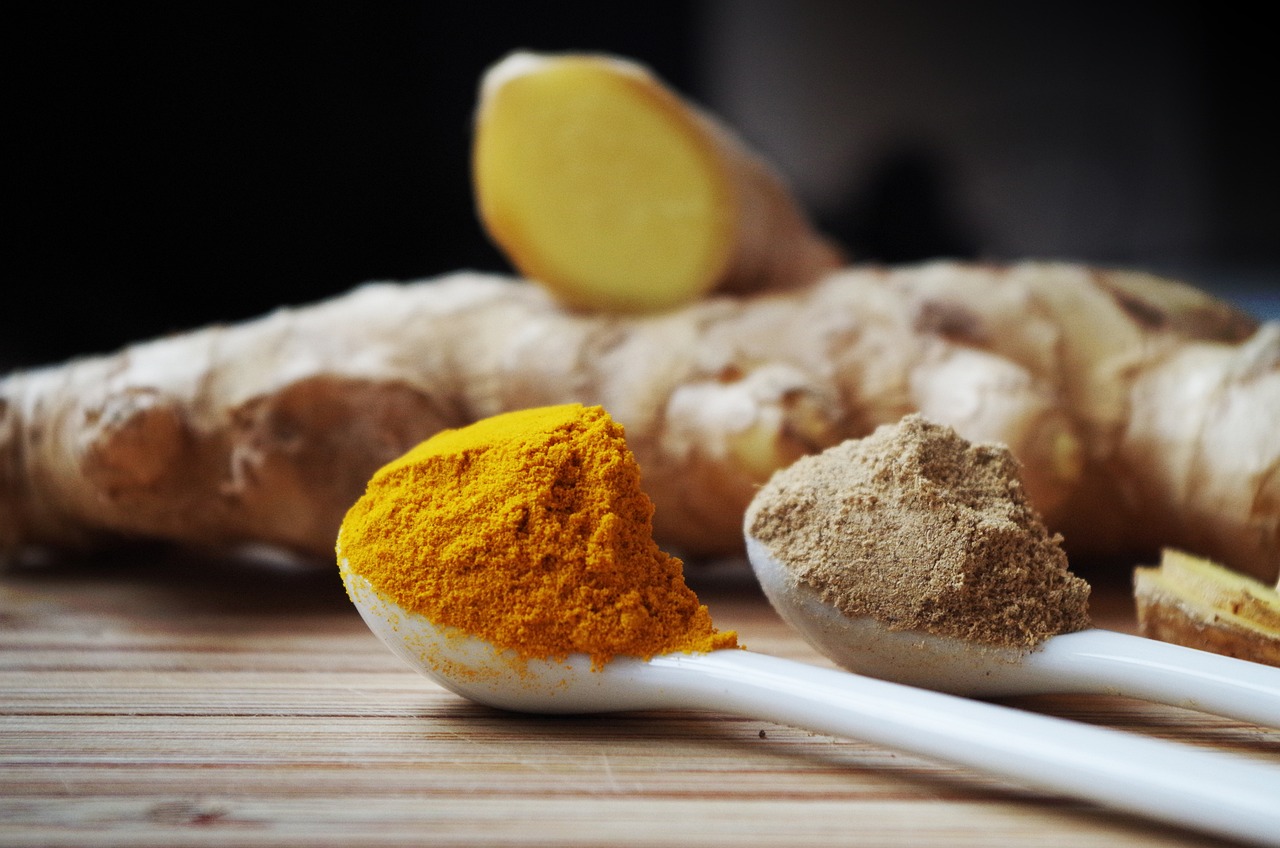




Some types of vegetables have more nutrients than others. Vegetables are essential for our health and are the main source of micronutrients needed for the functioning of our bodies. In addition to being rich in fiber, vitamins, minerals, and antioxidants, they are also filling, aromatic, and perfect for various dishes such as salads, soups, smoothies, and sandwiches. While all vegetables are nutritious, some types have more nutrients than others. If you want to improve your diet, try adding spinach, broccoli, garlic, beets, or others to your menu.
Nutritionally-Rich Vegetables
Spinach
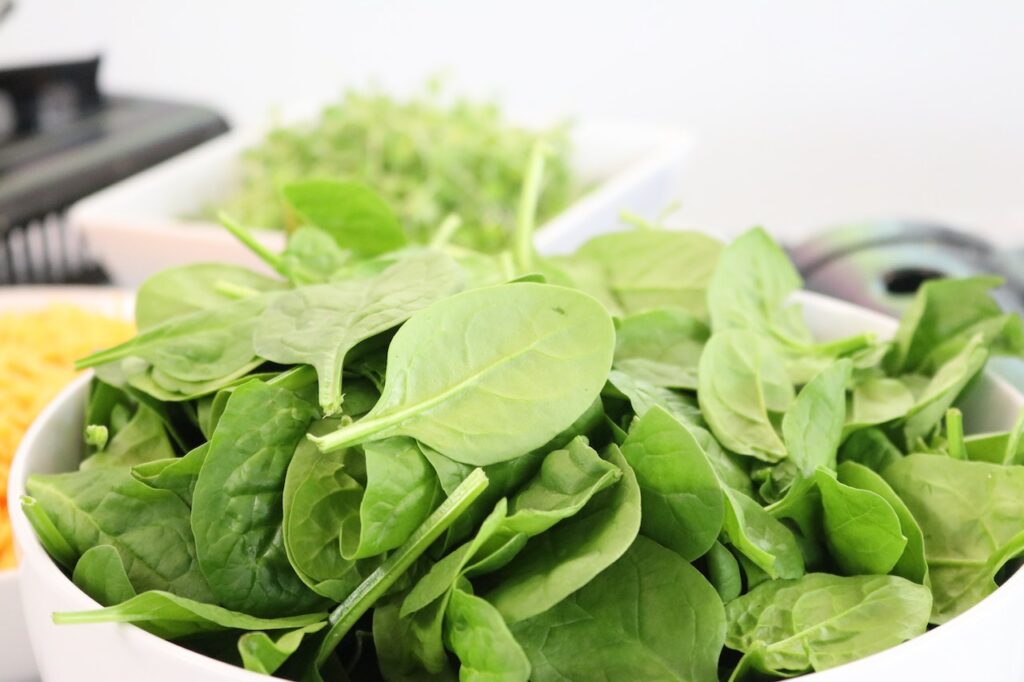
Few people don’t associate this vegetable with Popeye’s strength, and it seems that the beloved cartoon character was onto something. Spinach is a leafy green vegetable that tops the list as one of the most nutrient-rich vegetables.
Just one cup, approximately 30 grams, of raw spinach provides 16% of the recommended daily intake (DV) of vitamin A, and additionally, 120% of the recommended daily intake of vitamin K, all with only seven calories.
Spinach is also rich in antioxidants that can help reduce the risk of diseases. One study showed that dark leafy greens like spinach have a high content of beta-carotene and lutein, two antioxidants associated with a reduced risk of cancer.
Another study demonstrated that spinach can support heart health by helping to lower blood pressure. Additionally, the numerous antioxidants and vitamin K found in this vegetable can benefit heart health and reduce the risk of diseases. Spinach contains vitamin A and carotenoid pigments lutein and zeaxanthin, which play an important role in protecting the eyes against damage caused by sun exposure and age-related changes. You can enjoy the eye health benefits whether you consume spinach fresh, canned, or frozen.
Carrots
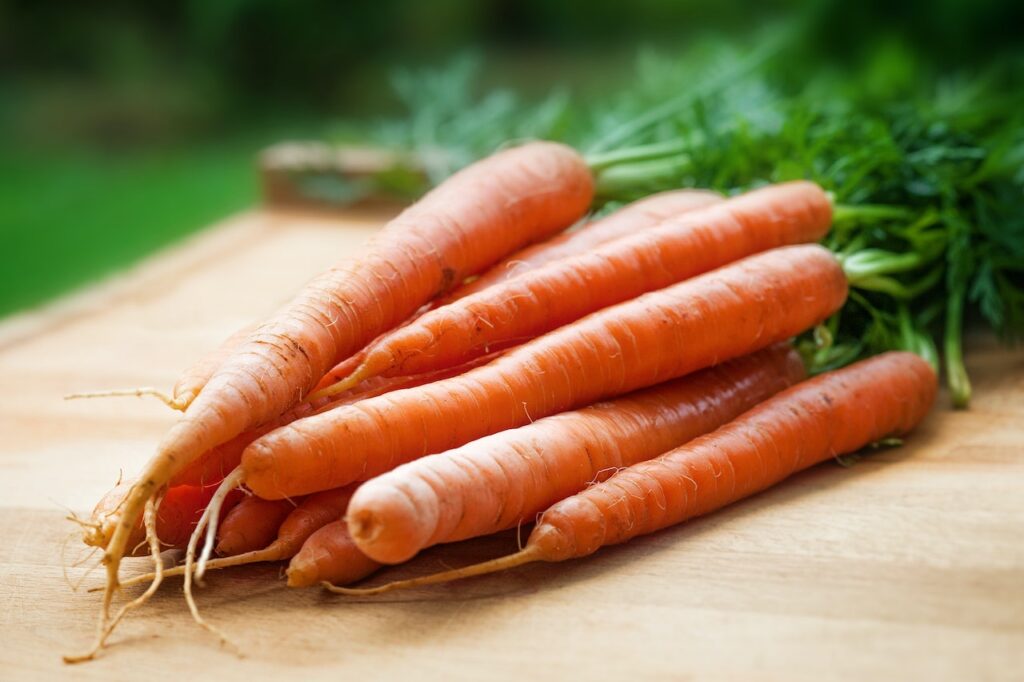
You might not expect carrots to be second on the list of the most nutritionally-rich vegetables, but they are packed with various nutrients. They provide over 100% of the recommended daily intake of vitamin A in just 100 grams. Carrots also contain beta-carotene, an antioxidant that gives them their orange color and can help prevent cancer. Your body converts beta-carotene into vitamin A.
In fact, a study published in the journal Nutrients, conducted on over 57,000 people, linked the consumption of at least 2-4 carrots per week with a 17% lower risk of colon cancer. Additionally, a review of 18 studies found that carrots can also reduce the risk of lung cancer.
Lastly, this popular root vegetable is rich in many other key nutrients, including potassium, vitamin C, and vitamin K.
Broccoli
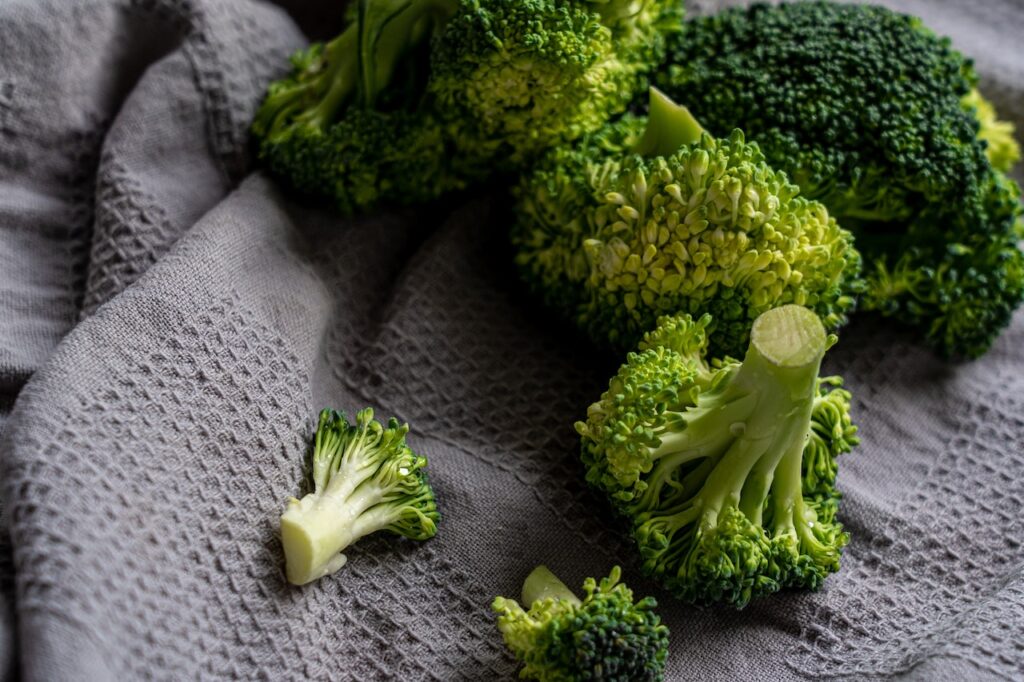
Some studies show that broccoli and related vegetables can have a preventive effect on certain types of cancer due to sulforaphane, a plant compound that protects healthy tissues and enhances liver detoxification, among other benefits.
One small study found that broccoli sprouts reduced levels of inflammatory markers associated with chronic conditions such as heart disease.
Additionally, a 2017 study conducted on mice in the United States showed that rodents receiving a broccoli supplement experienced a positive effect on their gut microbiome, leading to reduced inflammation.
Broccoli also contains measurable amounts of antioxidants lutein and zeaxanthin, which can prevent oxidative stress and cell damage in your eyes.
Garlic

In a three-month study on 90 individuals, those who took 1600 mg of garlic powder daily experienced significant reductions in belly fat, blood pressure, and triglyceride levels compared to the placebo group.
Garlic is a plant that has been used as a remedy for centuries. Its main active compound is allicin, which has been shown to help maintain blood sugar levels and heart health, as well as kill bacteria and fungi.
The supplementation of garlic powder also led to improvements in insulin resistance, a condition that can contribute to type 2 diabetes.
Furthermore, a review of 33 studies found that garlic lowers cholesterol levels and improves blood sugar control, which can be beneficial for individuals with heart disease or type 2 diabetes.
Some studies have shown that garlic, on average, lowers cholesterol by 12 percent. Interestingly, consuming several cloves of garlic daily achieves an effect similar to some cholesterol-lowering medications. To lower cholesterol, garlic needs to be taken over a longer period of time.
While further research is needed, in vitro and animal studies suggest that allicin has potent properties in fighting against cancer.
Brussels Sprouts
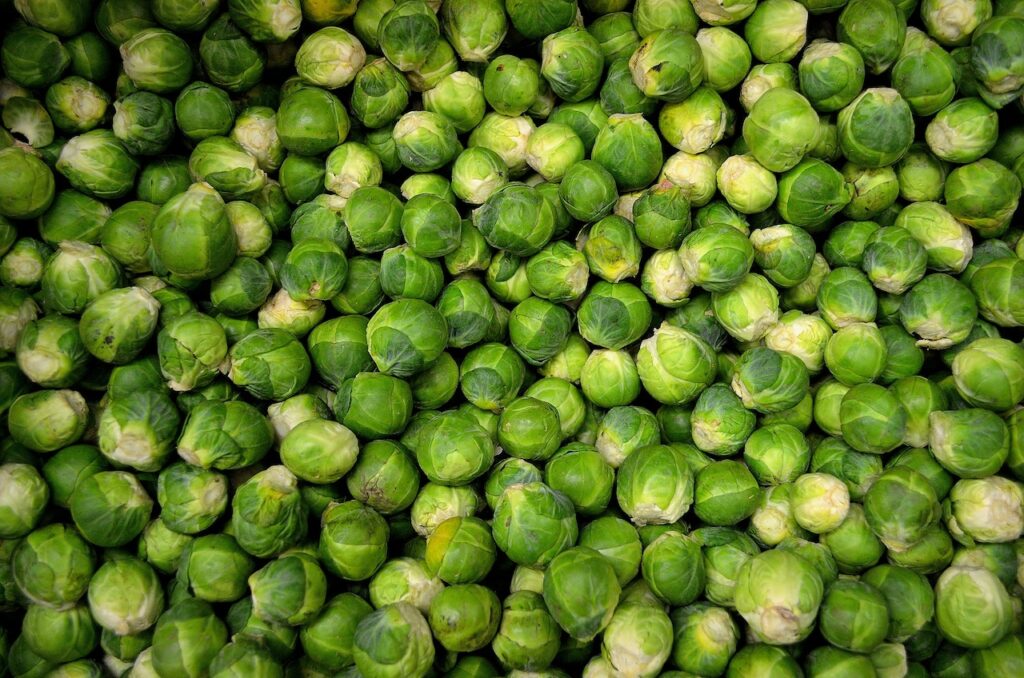
Similar to broccoli, Brussels sprouts belong to the cruciferous vegetable family and contain the same beneficial plant compounds.
Brussels sprouts also contain kaempferol, an antioxidant that may be particularly effective in preventing cell damage. Kaempferol has been shown to have anti-inflammatory and anticancer properties, which can provide protection against diseases.
Moreover, these vegetables are an excellent source of fiber, an important nutrient that supports digestion, heart health, and helps control blood sugar. Additionally, Brussels sprouts are rich in nutrients. Each serving is packed with folate, magnesium, potassium, as well as vitamins A, C, and K.
In addition to these five types of vegetables, other noteworthy ones in terms of nutritional value include:
- Kale
- Peas
- Swiss chard
- Beets
- Asparagus
- Red cabbage
- Sweet potato
- Turnip greens
- Cauliflower.