



There are many signs that indicate you’re becoming fitter, and weight loss doesn’t have to be one of them. Do whatever you think is necessary to get in better shape: eat plenty of vegetables, lift weights, go for walks or runs. However, every time you step on the scale, you face the same number or maybe even a higher number than the last time you weighed yourself. Want to hear the truth? The scale doesn’t determine your level of physical fitness, but there are many other ways to measure your progress.
When you exercise, a whole range of chemical and mechanical processes and changes occur in your body. As you become fitter, several subtle signs slowly begin to emerge – you just need to know how to recognize them. Read about the specific signs you should look for. And if you notice any of them, you’re likely on the right track (even if the scale says otherwise).
Your body is stronger
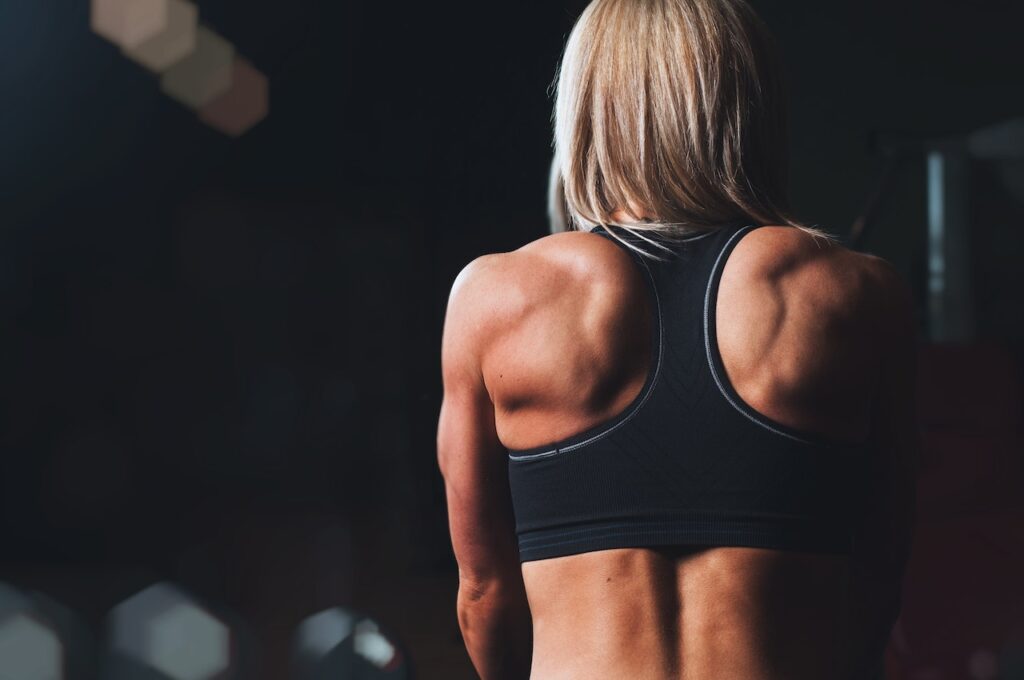
Do you notice that you’re reaching for heavier weights or higher resistance during your workouts? Or maybe you’ve noticed that you can run after your kids without getting tired or carry bags full of groceries up to the second floor without having to stop several times to catch your breath. Strength training can contribute to increased muscle mass and muscle strength. According to a 2018 study published in the journal Cold Spring Harbor Perspectives in Medicine, if you’ve just started a new exercise program or added new exercises to your usual routine, you’ll likely increase muscle strength faster than people who have been exercising for a longer period or haven’t changed their training routine. The authors of the study noted that there is a rapid initial increase in muscle strength when a person learns a new exercise. Some individuals feel stronger in just 2 to 4 weeks. For others, depending on the status of their muscle fibers, genetic material, and the quality of training, results in muscle strength usually become noticeable within 8 to 12 weeks. Skeletal muscles are not the only ones that can be strengthened through exercise. Cardio exercises strengthen the heart muscle and lungs. One way to determine if you’ve strengthened your heart and lungs is by measuring your resting heart rate (RHR) and heart rate recovery (HRR). Resting heart rate is measured while lying down (for example, in the morning before getting out of bed), but you can also measure it before you start exercising. According to the results of the mentioned study, individuals with better cardiovascular health have a lower peak heart rate (heart rate during exercise) and their heart rate returns to resting values (RHR) faster compared to unfit individuals. The reason for this is that the heart has become stronger and can pump more blood with each contraction, which means it doesn’t have to beat as fast.
You’re happier and less stressed
Numerous studies have shown a strong link between physical activity and mental health. A review of studies published in the Annual Review of Medicine in 2021 examined around 100 studies and found that exercise protects against depression and anxiety. They also discovered that these benefits are “dose-dependent,” meaning the more a person exercises, the greater the benefits. For example, the studies analyzed revealed that individuals with low or moderate levels of physical fitness have a 47% and 23% higher risk of developing mental health problems compared to those with higher levels of physical fitness. It has also been found that both aerobic exercise and strength training have equal positive effects on mental health.
You are more rested
It has been proven that exercise not only increases energy levels during the day but also improves the quality of sleep,” says Dr. Marci Goolsby, a physician at the Women’s Sports Medicine Center at the Hospital for Special Surgery in New York City. A review of studies published in 2017 in the journal Advances in Preventive Medicine revealed that although the results regarding the type and timing of exercise are mixed and not entirely reliable, there is no doubt that exercise overall contributes to better sleep quality. This applies to both immediate results, such as sleeping the night after a workout, as well as long-term improvement in sleep quality. Some of the analyzed studies have shown that exercising right before bedtime disrupts falling asleep, but other studies have found the opposite to be true. In other words, the key is to discover what works best for you and your lifestyle.
You may wonder which type of exercise will help you fall asleep more easily. According to the authors of the aforementioned review, research shows that any type of exercise can assist with that, from strength training to aerobic exercises or practices like yoga and tai chi. All these forms of exercise have been proven to enhance sleep quality. If you’re not sure about the quality of your sleep, try using a sleep-tracking application for a few weeks. That way, you’ll get an idea of how long it takes you to fall asleep and approximately how much time you spend in the REM phase, the deepest stage of sleep necessary for waking up feeling refreshed.
Your mind becomes sharper
A large number of studies have shown that regular physical activity has numerous benefits for brain health, both in healthy and diseased brains. A review of research published in 2018 in the journal Frontiers in Psychology suggests that exercise leads to various chemical and structural changes in the brain. One of the most important changes in the nervous system, where the brain is the “main player,” is neuroplasticity—the formation of new nerve cells, neural connections, and pathways. The authors of the review cite studies that demonstrate how exercise results in structural changes in the brain, including an increase in gray matter volume. In other words, exercise literally makes the brain bigger.
Exercise also causes chemical changes in the brain by increasing blood flow to the brain, improving the health of blood vessels in the brain, and enhancing the delivery of glucose to the brain (which is the brain’s preferred source of energy). All of these factors lead to improved cognitive functions, including better memory and attention, enhanced learning, and the prevention of age-related cognitive decline.
Your jeans fit differently

As your body fitness improves, it can lead to a reshaping of your body as you lose some fat tissue and gain more muscle tissue.
Trying on clothing is a good way to measure training results for many people, but only if you’re aware that the results can be confusing and if you don’t worry too much about them. For instance, your pants may feel “emptier” in some areas but tighter in others. For example, if you start doing spinning workouts, you may notice that your pants become tighter around your thighs after some time as you strengthen and build your quadriceps. Keep in mind that in this case, your pants aren’t tighter because you gained weight but because you increased muscle mass in your legs,” explains Kourtney Thomas, a certified strength and conditioning coach from St. Louis. She also adds that if your pants become looser around the waist area, it could indicate that you’re losing fat in the abdominal region. This is a great thing since increased belly fat is associated with a higher risk of various diseases. The results of a study published in 2020 in the journal Medicine & Science in Sports & Exercise showed that exercise can help reduce both the amount of belly fat and waist circumference. Furthermore, increasing the duration or intensity of exercise can enhance the amount of belly fat lost.
Does that mean you should throw away your scale?
The number displayed on the scale doesn’t always warrant excessive attention, but that doesn’t mean weighing yourself is a complete waste of time for some people.
Tracking certain objective data can help some individuals stay more committed to their journey towards desired changes,” believes nutritionist May Tom from California. Although a study published in 2015 in the Journal of Obesity showed that daily weighing helped participants in their weight loss journey, it can be counterproductive for many. Moreover, that study only lasted for two years, so long-term weight loss was not proven. Interestingly, the study also mentions that weighing had a better impact on men than on women.
A study published in the Journal of Nutrition Education and Behavior may shed some light on why weighing oneself is not beneficial for some people, especially women. The authors of that study found that women who weighed themselves frequently had lower self-confidence, decreased body satisfaction, increased weight concerns, and higher rates of depression. A study published in 2021 in the Journal of Eating Disorders suggests that frequent weighing negatively affects mood and promotes the development of eating disorders and related behaviors and thoughts. Furthermore, there are ironic findings from a study published in 2018 in the Journal of Consulting and Clinical Psychology, indicating that adults who frequently weighed themselves were actually heavier than those who did not bother with weighing. Some research also shows that physical activity, even without weight loss, improves health. For instance, a study published in 2021 in the journal iScience suggests that increasing physical activity without weight loss reduces the risk of death from any cause by about 15-50% and decreases the risk of death from heart disease by about 15-40%.
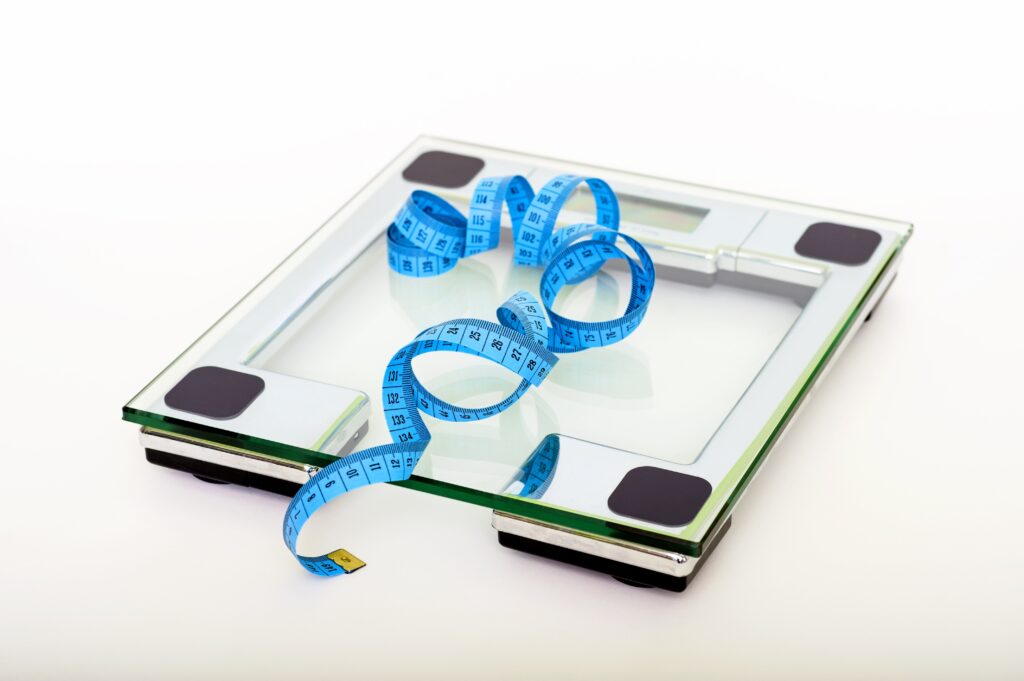
Therefore, if you want to know whether weighing yourself is beneficial for you or not, you first need to weigh the pros and cons in your specific case. Ask yourself, “How do I feel when I weigh myself? Do I notice any impact on my mood, thoughts, and behaviors?”
If you choose to weigh yourself, you may wonder how often you should do it. Experts advise doing it no more than once a week. Anything more frequent than that may lead to frustration if you don’t see progress. And remember, the number on the scale doesn’t indicate how much fat you’ve lost or muscle you’ve gained. That’s why it’s important to track your progress in other ways that make you feel good and satisfied as you get closer to your goal. Let go of tracking methods that make you frustrated and disappointed.