




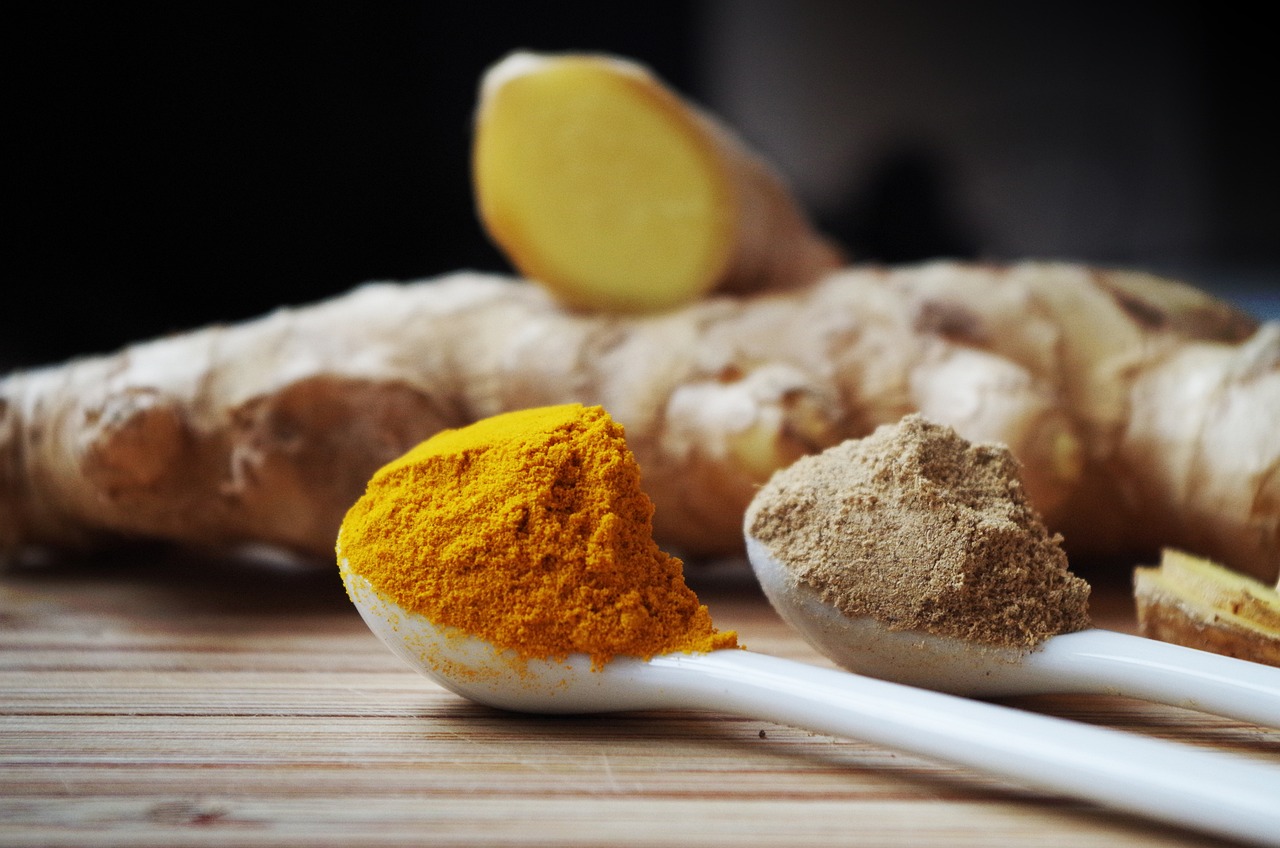
While both dry and fresh ginger offer several health benefits, the former contains more antioxidants.
Ginger, a root plant widely known for its medicinal properties, ranks among the first natural remedies we turn to when ill. Often consumed as a comforting cup of tea, it not only provides a robust aroma but also significant relief for issues like nausea, digestive problems, and common symptoms of seasonal ailments such as colds and coughs. Although both dry and fresh ginger offer several health benefits, for those unsure which version to use, an expert provides answers.
Advantages of dry ginger
Dry ginger is obtained by drying fresh ginger root and grinding it into a fine powder. This process involves removing most of the water content, concentrating its flavor and medicinal properties. The benefits of dry ginger, as highlighted by Dr. Archana Batra, a nutritionist, physiotherapist, and certified diabetes educator, include:
- Improves digestion
Dry ginger can alleviate digestive discomfort, reduce bloating, and relieve gastrointestinal issues.
- Has anti-inflammatory properties
It contains compounds with anti-inflammatory properties that help with inflammatory conditions. Additionally, it alleviates muscle and joint pains.
- Supports the respiratory system
Dry ginger can aid in relieving respiratory problems. It’s often used to alleviate coughs, colds, and throat inflammation.
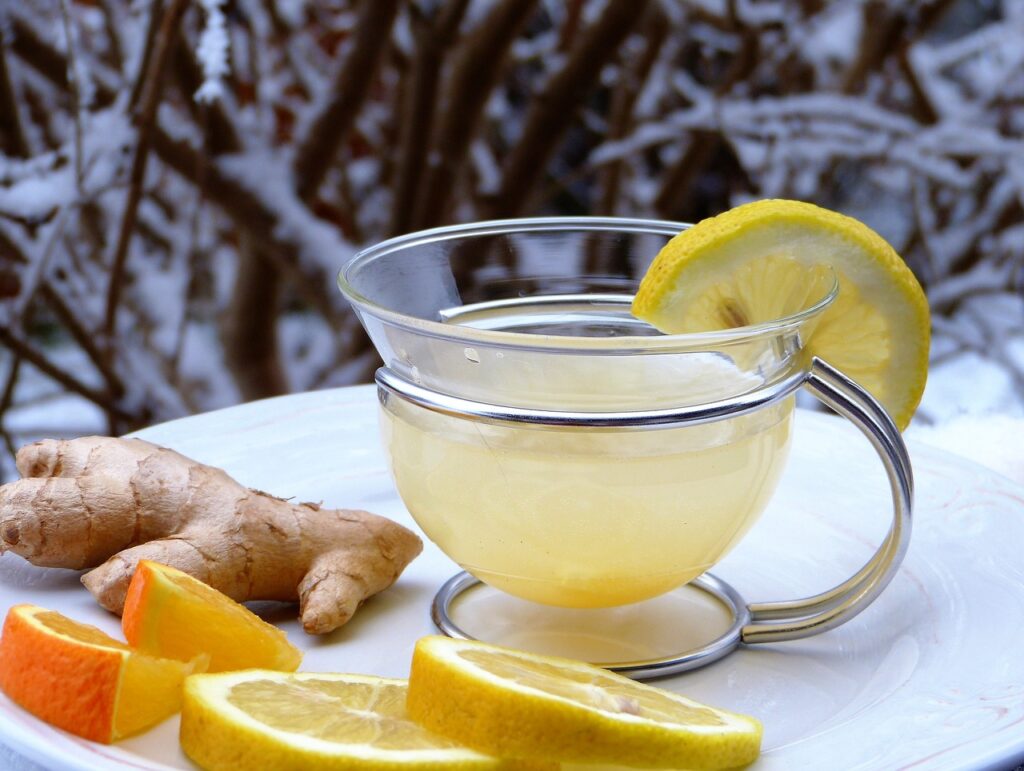
Advantages of fresh ginger
Fresh ginger, in its raw form, is valued for both culinary and medicinal purposes. It offers a spicy, pungent, and slightly sweet taste. Advantages of fresh ginger include:
- Eases nausea
Fresh ginger is often used to alleviate morning sickness during pregnancy and nausea caused by various conditions. Chewing a small piece of fresh ginger or preparing ginger tea can be effective.
- Rich in antioxidants
This root spice, rich in antioxidants, helps combat oxidative stress and potentially reduces the risk of chronic diseases.
- Good for digestion
Similar to dry ginger, fresh ginger supports digestion by stimulating saliva and bile production, aiding in food breakdown and preventing gastrointestinal issues.
- Cold remedy
Fresh ginger is frequently consumed as a remedy for colds and flu as it can help alleviate symptoms and boost the immune system.
Dry or fresh ginger, which is better?
Contrary to the belief that fresh ginger is better than dried, according to the National Library of Medicine, the drying process of fresh ginger increases its antioxidant content by removing water. However, it doesn’t mean that fresh ginger lacks antioxidants entirely, but its antioxidant level decreases when used in cooking. Moreover, a study published in PubMed examined the effects of fresh and dried ginger on a respiratory virus in human cells. The results showed that fresh ginger can help protect the respiratory system, while dried ginger doesn’t have the same effect.
According to Ayurveda, fresh ginger tends to potentially cause gas, bloating, and digestive issues – explains Dr. Batra, who advises choosing dry over fresh ginger for addressing seasonal flu, colds, coughs, and respiratory problems.
Although dry ginger has proven more effective, it’s essential not to completely avoid fresh ginger as it still offers valuable benefits.