



Many people strive to incorporate Feng Shui into their lives but don’t know where to begin. These rules can serve as a starting point.
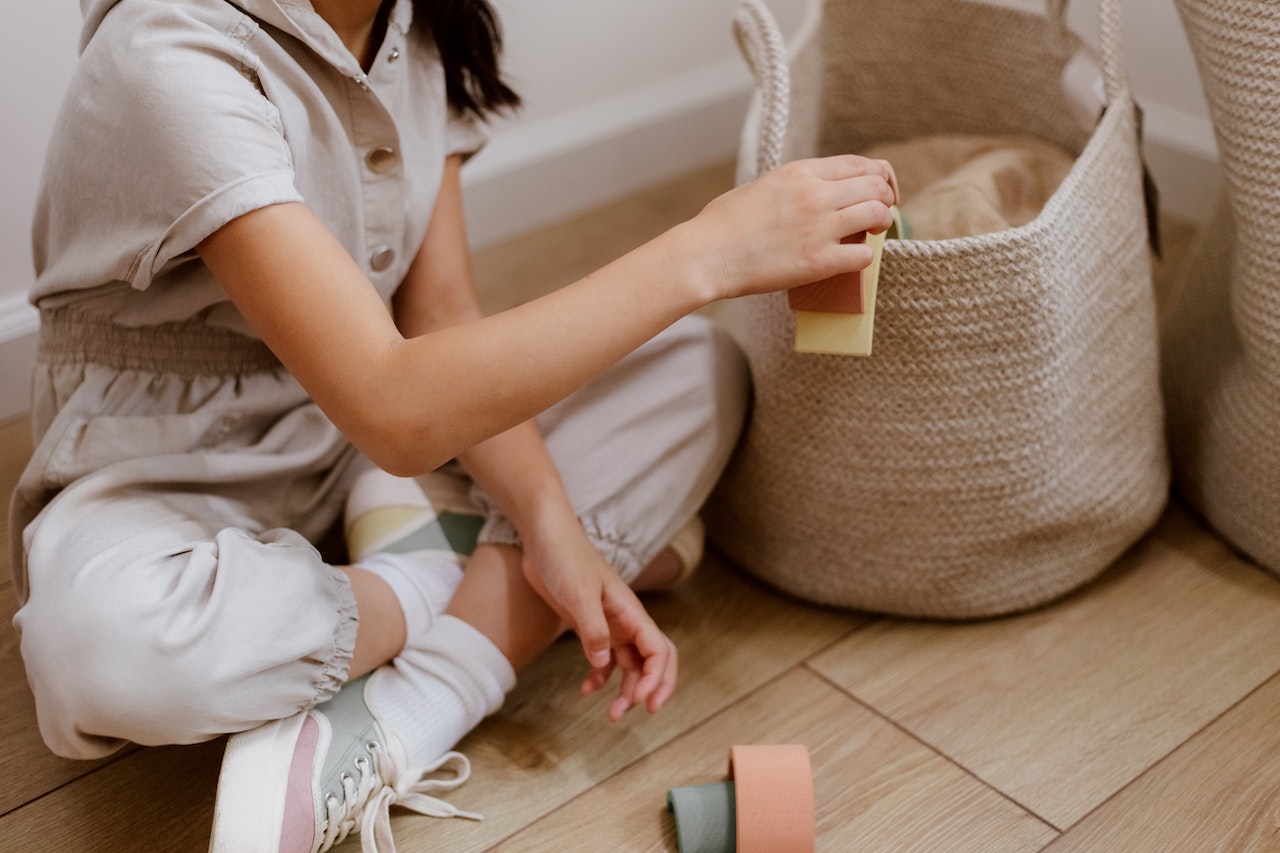
Eliminate Clutter: This is absolutely the most important, yet one of the easiest Feng Shui tips. This rule must be followed.
Clutter impedes energy flow in Feng Shui, making your home less pleasant. Physical barriers that reduce energy flow or create stagnant energy negatively impact life and satisfaction. In Feng Shui, every part of your home corresponds to a life area. Stagnant energy in a specific home area directly affects the corresponding life aspect.
Clean Everything: Keep your home orderly. Fix anything that’s not working, and dispose of things you no longer need or use.
It’s not just about putting things in their place but also ensuring that items in your home serve their intended purpose. Damaged or unused items create negative energy. Neatness and cleanliness are essential in Feng Shui.
Lighting: Open windows and raise blinds to allow natural light into your home. The Feng Shui rule here is simple: the brighter, the better.
More natural light in your home enhances positive Feng Shui energy. The sun brings prosperity and positive energy to any room. If natural light isn’t available, opt for broad-spectrum lamps. Lighting plays a significant role in Feng Shui principles, with natural light being the best option.
Avoid Sharp Edges: According to Feng Shui, sharp edges attract negative energy. Try to soften them with tablecloths, throws, etc. While Feng Shui doesn’t ban all sharp edges, rounded shapes are a better choice.
Traditionally, sharp edges reflect very negative energy. If your home has many sharp edges, try to soften and cover them. If that’s not possible, at least avoid sleeping in a room with many sharp edges.
Fix Leaks and Drips: Ensure nothing in your home is leaking, as it symbolizes money leakage from your life.
Water is beneficial in Feng Shui when in the form of fountains, aquariums, and vases. Continuous dripping water symbolizes negative energy. Feng Shui principles state that water loss symbolizes wealth and prosperity loss.
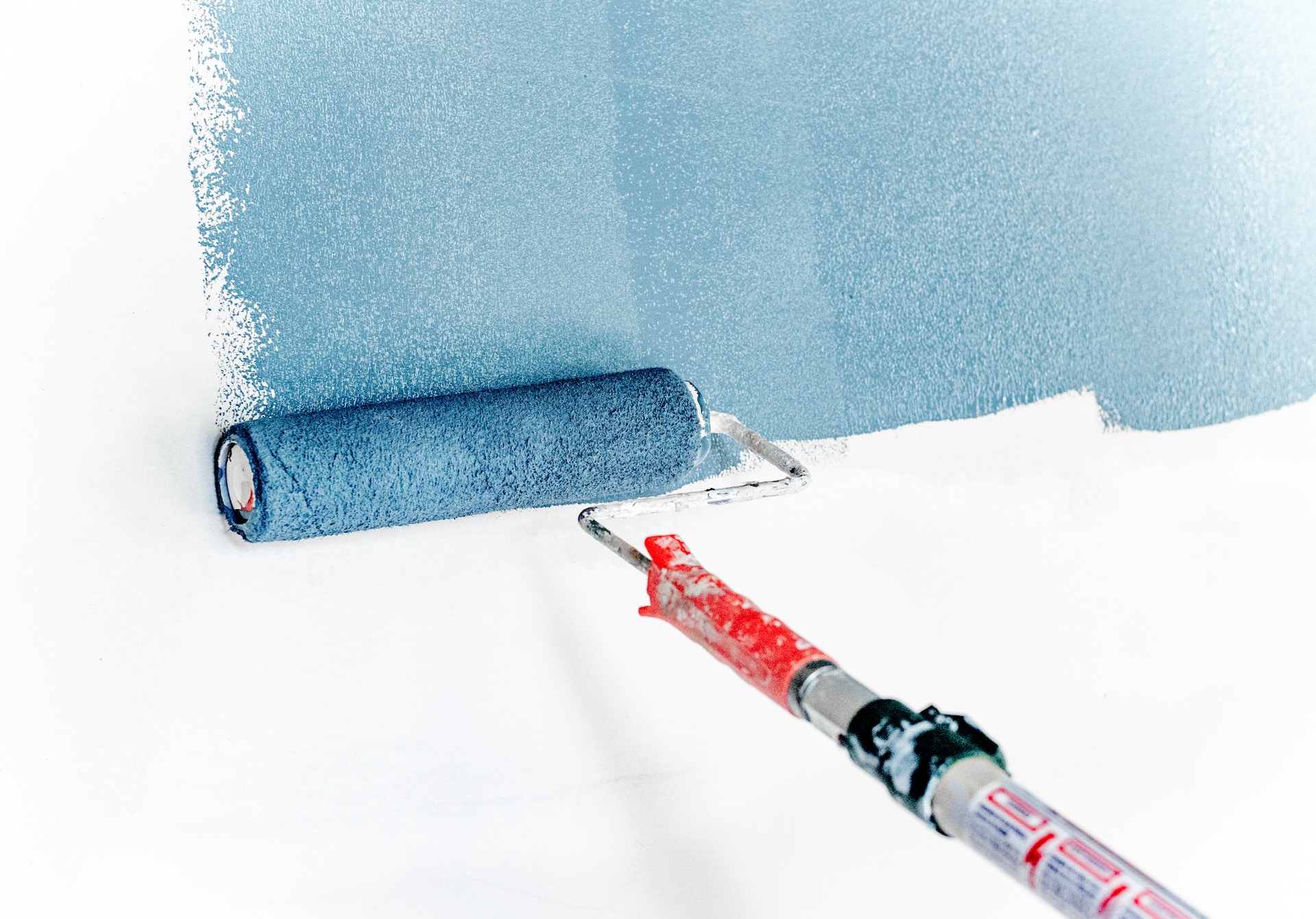
Color Harmony: According to Feng Shui, interiors shouldn’t have more than three colors.
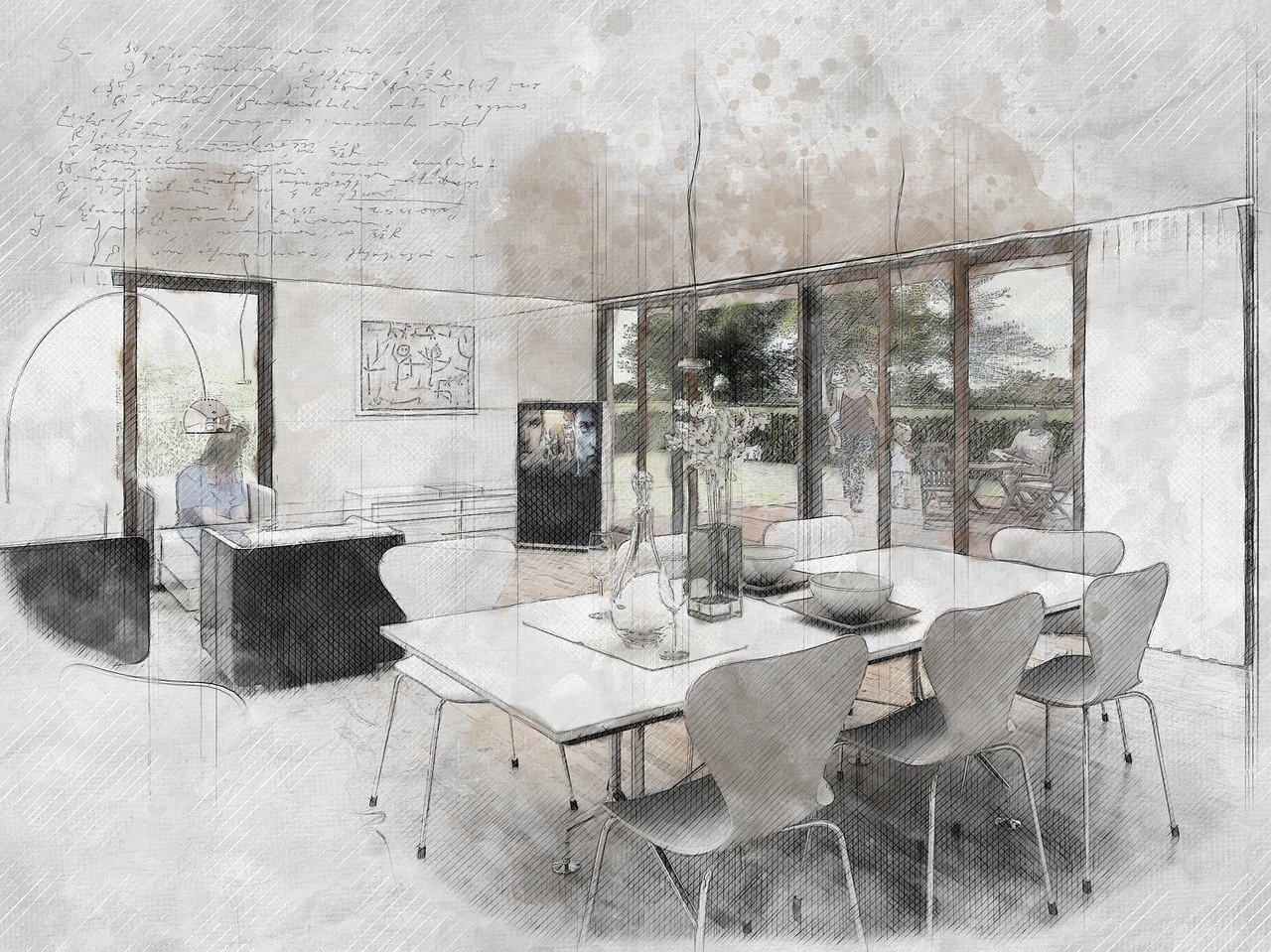
Desk Orientation: If your desk faces a wall, place a mirror in front so you can see the door and notice approaching people. For increased productivity, orient the desk towards the entrance rather than the wall. Although home décor magazines often place desks against walls, Feng Shui suggests more efficiency when you can see what’s happening in the room, especially toward the entrance.
Electronics-Free Bedroom: Televisions, computers, and even laptops have no place in the bedroom according to Feng Shui.
If electronics are present, make sure to unplug phone chargers before sleeping, turn off electric blankets, routers, and signal boosters. Air conditioning should also be avoided during sleep, except for extreme heat.
Closed Bathroom Doors: Keep bathroom doors closed, especially at night, as bathroom energy should be separate from the rest of the home. Feng Shui dictates that toilet lids should be down and bathroom doors closed.
Raised toilet lids drain energy from the home, as do excessively cluttered bathrooms. Maintain your bathroom without excessive items, just like the rest of your home. Raised toilet lids, equivalent to open bathroom doors, deplete positive energy from the rest of the space.
Be Positive: Radiate positive energy around you; this way, you’ll brighten both your home and the world around you.
In addition to these 10 core Feng Shui rules listed above, below are three Feng Shui rules you should never break.
Feng Shui rules you should never break
Stay organized and tidy – This fundamental rule should be followed and never broken. An unorganized home is a significant source of stress, depression, and general dissatisfaction.
Don’t position your bed against a window – Your bed’s headboard should be against a solid wall, as Feng Shui dictates that while sleeping, your mind and body need sturdy support.
Separate work and rest – A work desk in the bedroom violates all Feng Shui principles. Always make an effort to separate your work area from your relaxation space. Mixing work and rest introduces restlessness into life.