



The duration of a superficial facelift typically ranges from 3 to 5 years, depending on age. A deep facelift (SMAS and MAX) can last 5 to 10 years. Post-operative facial care is also crucial for long-lasting results.
Facelifts, a popular cosmetic procedure, offer rejuvenation and a youthful appearance. However, their longevity is influenced by several key factors. Understanding these factors can help individuals make informed decisions about the procedure and maintain the best possible results.
Age Matters
One of the primary factors determining the durability of a facelift is the patient’s age. In general, a superficial facelift’s effects can last between 3 to 5 years, with younger patients often experiencing longer-lasting results.
The Technique Used
The choice of facelift technique is another crucial factor impacting its longevity. Superficial facelifts address the skin’s surface, making them less long-lasting compared to deep facelifts like the SMAS (Superficial Musculo-Aponeurotic System) and MAX (MACS Lift). Deep facelifts can deliver results that endure for 5 to 10 years.
Quality Post-Operative Care
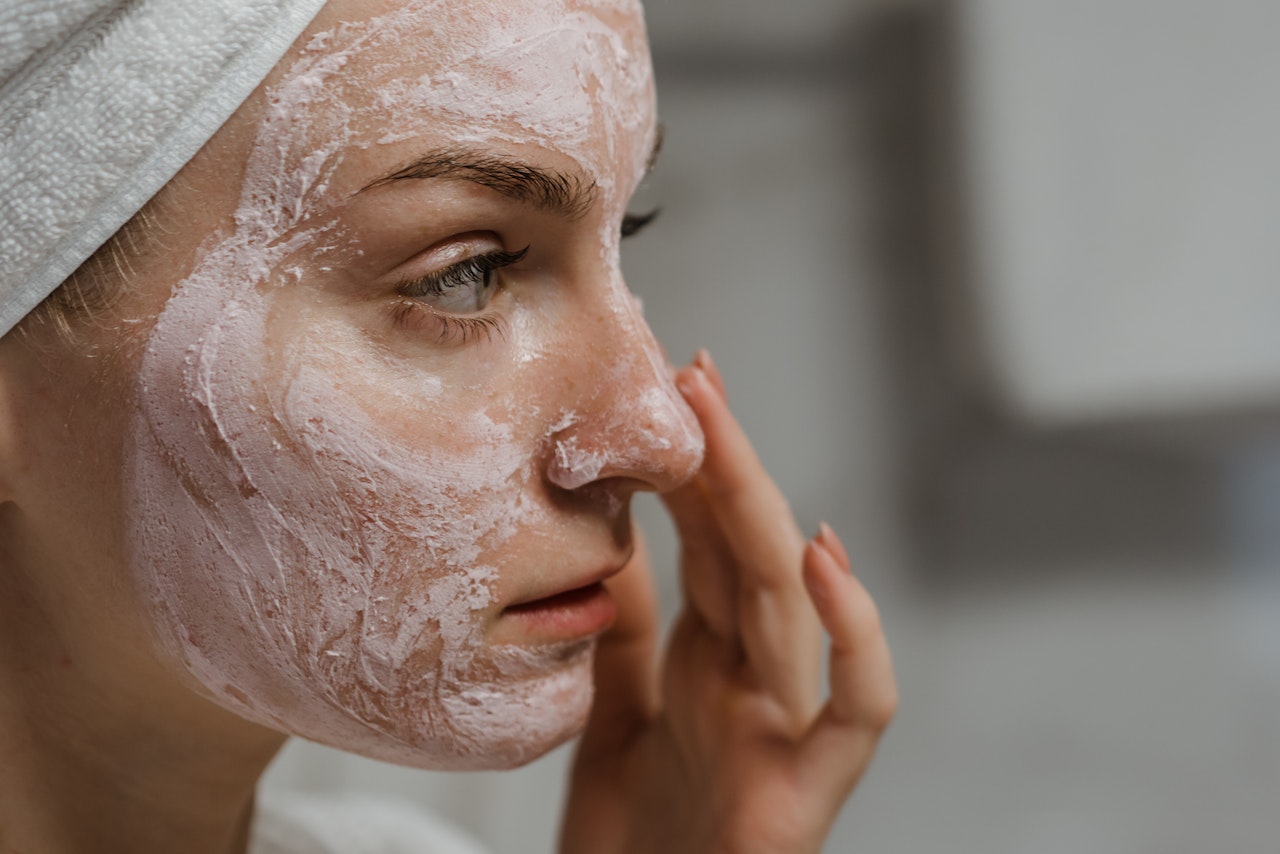
Post-operative care plays a vital role in maintaining the facelift’s longevity. Following the surgeon’s guidelines, using recommended skincare products, and protecting the skin from excessive sun exposure can extend the procedure’s effects.
Lifestyle and Environmental Factors
Individual lifestyle choices also impact the longevity of the facelift. A balanced diet, regular exercise, and avoiding smoking and excessive alcohol consumption contribute to healthier skin, thus prolonging the results of the facelift.
Genetics and Skin Condition
Genetic factors and the patient’s skin condition can influence how long the facelift results last. Those with good skin elasticity are likely to experience longer-lasting outcomes compared to those with weaker skin structure.
Follow-Up Treatments
In some cases, complementary treatments can enhance and extend the facelift’s effects. Non-invasive procedures like dermal fillers, Botox, or laser treatments can complement the facelift and maintain youthful appearances for longer.
Surgeon’s Skill and Experience
The surgeon’s expertise and experience significantly impact the quality and durability of the facelift. Choosing a qualified and skilled surgeon ensures the procedure is performed correctly, leading to more satisfactory and long-lasting results.
A facelift’s longevity depends on various factors, including the patient’s age, the technique used, post-operative care, lifestyle choices, genetics, and the surgeon’s skill. By considering these factors, individuals can make informed choices, ensuring the best possible outcome and prolonged youthful appearances. Prioritizing proper post-operative care and adopting a healthy lifestyle can lead to the satisfaction of a successful facelift for years to come.